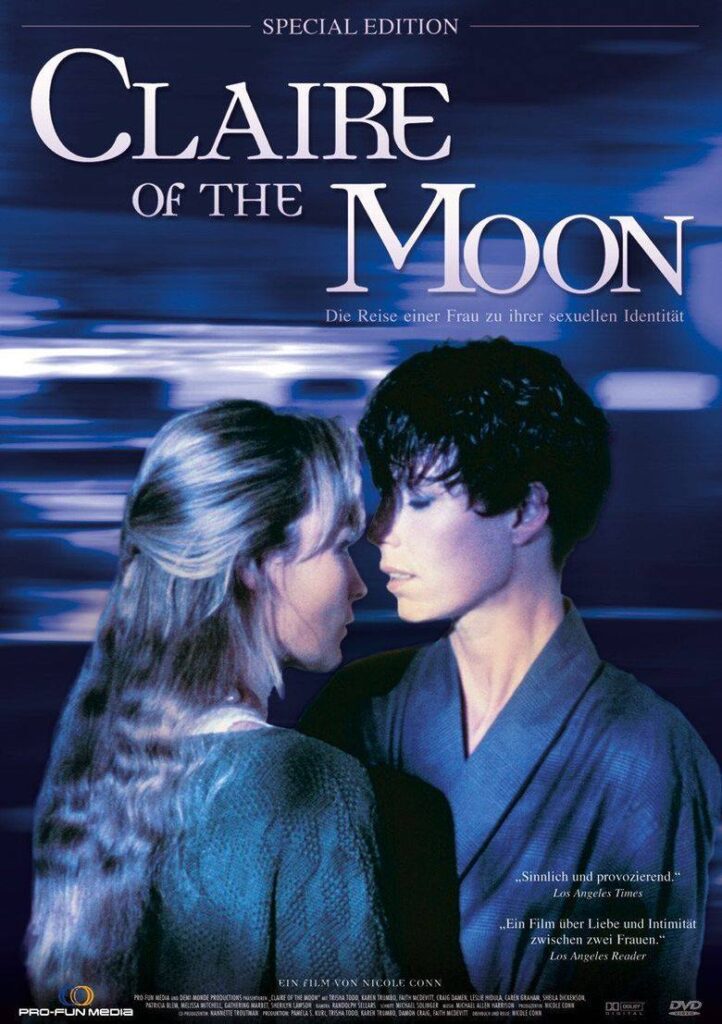
Claire of the Moon (1992)

I first saw this movie on VHS in 1994 with my friend Jen Beam. She showed me 3 or 4 queer films that each left a lasting impression on me, and that may in part be why I love this movie as much as I do. It’s not great, and there are bits of it that are horrible, but it means well, and there are moments that really shine. The film score (by Michael Allen Harrison) is often stunning, just as much of the other music in the film is either bad or relatively forgettable. The performances are often more like caricatures, but for some reason I find this charming instead of annoying, and I’ve watched it 5 or 6 times, at least. I last watched this as part of my survival in NYC Covid-19 lockdown on April 21, 2020, but I barely wrote anything about it because it was one of the earlier entries before I knew that I was going to be watching and eventually reviewing over 800 LGBTQ+ inclusive movies from my collection. So, I’ll try to be better about that this time.

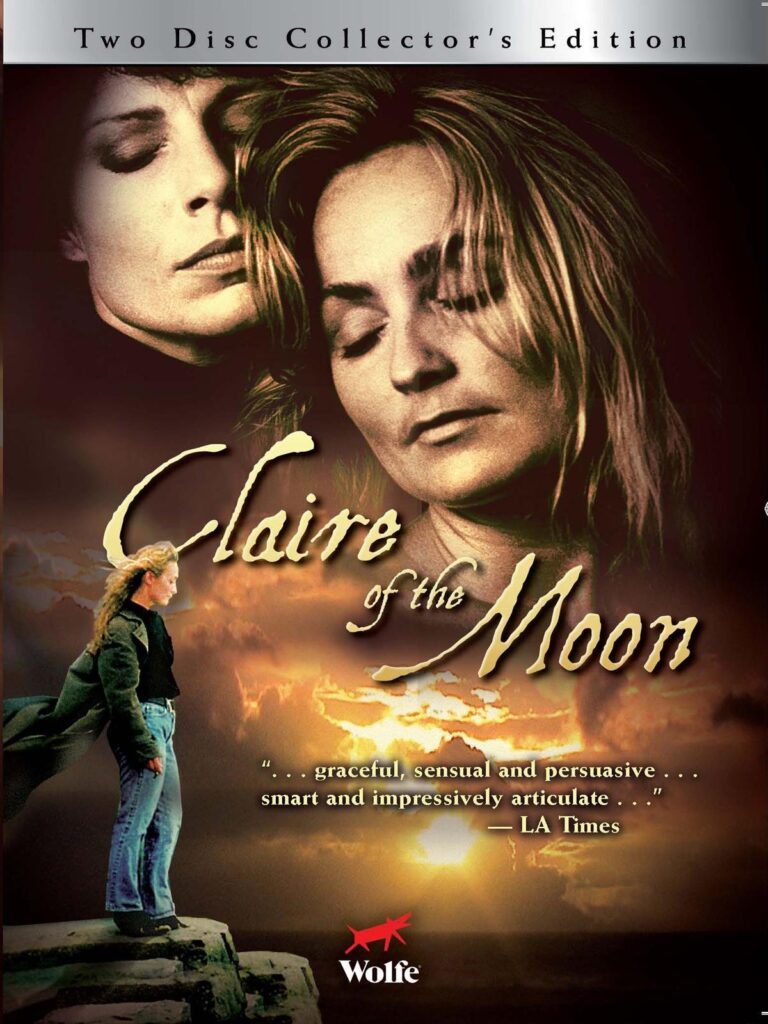
“Claire of the Moon” is a 1992 lesbian-themed erotic drama film directed by openly lesbian filmmaker Nicole Conn (“Elena Undone”, “A Perfect Ending”, “More Beautiful for Having Been Broken”) and starring Trisha Todd as Claire Jabrowski, a relatively famous published and seemingly heterosexual author, who decides to attend a retreat for all-female writers. While at the retreat she is forced to cohabitate with Dr. Noel Benedict (Karen Trumbo), an openly lesbian published author of a controversial book called The Naked Truth. The two live on opposite schedules but come to terms with a growing respect a rapport. The film centers on their budding relationship, but features the other women in supporting roles.

While the movie plays as a lesbian romance in an era that was nearly devoid of such films, the film also attempts to explore communication via Noel’s current work in exploring this topic through the subject of sex, theorizing that men and women speak wholly different languages, making it impossible for them to find true intimacy – while suggesting this is only possible via lesbian relationships. There are a lot of generalizations, but the film points that out as well, which makes the impassioned arguments a little hard to take seriously. But there are kernels of truth here and there which I wish had been expanded on more fully. At one point, while explaining her theory to her friends, she admits that sexual roles are complicated and possibly intrinsic, while she also struggles to define them and honestly explore them. She also discusses the vulnerability that partners must feel when exploring things that excite them as they risk rejection from those closest to them. There are no answers here and the discussions are murky enough to hide whatever the characters may actually be saying, but the discussion itself is an interesting topic that could have been explored in more depth. I also think it would have been fascinating for the other characters to have provided insight but they all seem willing to follow Noel on the matter – with the exception of Claire, but her objections seem to imply that she is wrong to disagree, which is fine, if a little simplistic. I should also say that I don’t mind everyone following Noel as I love the performance by Karen Trumbo, who sells the character’s obsession with tragic denial, even if I find the movie to be too in love with her backstory as a therapist in love with a client, which is a serious breach in ethics. But perhaps that was the point? I would have loved to have heard the filmmakers discuss this but I’m aware that I’m not the target audience and that I might take the film far more seriously than it needs to be. lol

I’ve always wanted to read the novel, but I’ve never owned a copy and it’s very difficult to find. I wonder if I might not get it through a library? Hmmm.
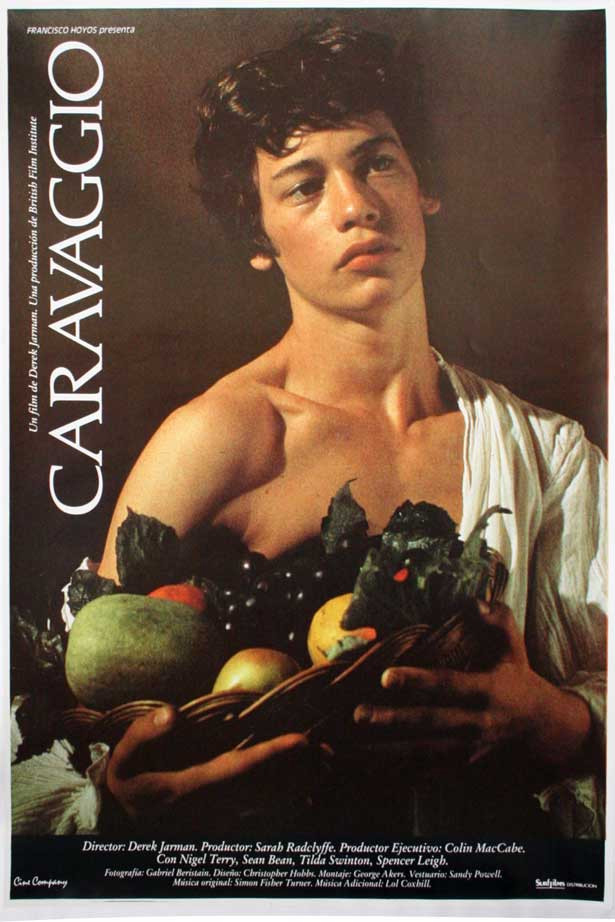
Caravaggio (1986)

“Caravaggio” is a 1986 British historical drama film directed by openly gay filmmaker Derek Jarman (“Sebastiane”, “The Angelic Conversation”, “Edward II”), who died of AIDS in 1994. The film is a fictionalised retelling of the life of Baroque painter Michelangelo Merisi da Caravaggio.

I first saw this film around 2005, I think? I only saw it the one time; a rental from the Hollywood Video where I worked. I never owned it, but it was a film that I had always wanted to see and I had great affection for “Edward II”, which had shocked and then haunted me for years. I have always intended to revisit “Caravaggio” and now, I have. There were many things in the film which I had forgotten, like the inclusion of modern elements, similar to “Edward II”, and aside from Sean Bean and Tilda Swinton, the world famous cast, including Michael Gough and Robbie Coltrane (“Mona Lisa”, “The Fruit Machine”). Indeed, the bits I most remembered was a sort of 3 way love affair between Nigel Terry’s Caravaggio, Sean Bean’s Ranuccio & Tilda Swinton’s Lena – though these memories were both vague and powerful. I had totally forgotten the essential murders of the plot or Spencer Leigh’s heartbreaking Jerusaleme.

But is it any good? Yes, I think it is. Probably more so if one was alive when it was released and knows what it must have taken to make this film, which seems like a brilliant and noble act of bravery to me. But that’s the thing: I admire the filmmaker so much that I find it difficult to judge his work. Watch it for yourself and you tell me.

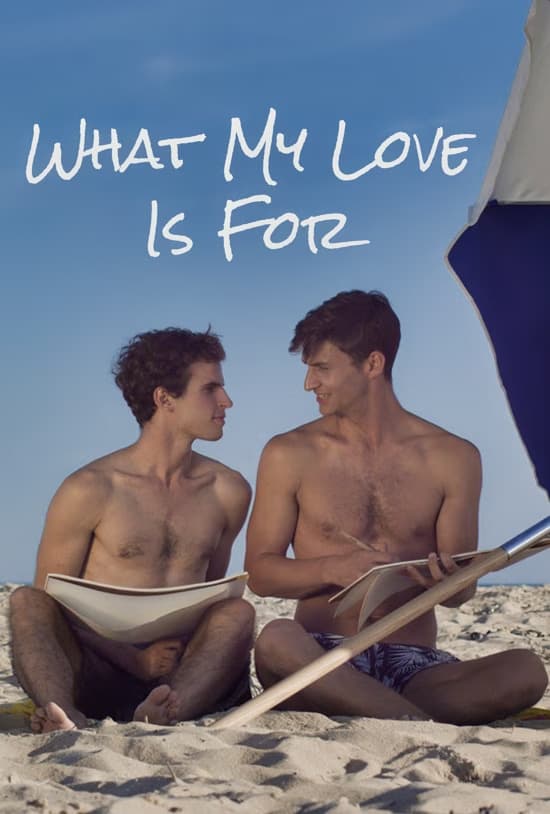
What My Love is For (2016)

2024 Entry #63 11-08-24 “What My Love is For”

The description from IMDB reads: “A self-critical county boy must outwit the ruling class to save his ancestral home before the bank forecloses at the end of the summer.”

Okay.

Having been ill at the time, I didn’t write anything about this either – but I remember that it is not very good and that it wanders a bit. I didn’t hate the cast but the performances were sort of all over the place and the film has a terrible “ending” – I mean, it just ends and it feels more like they ran out of money than they came to a satisfying conclusion.

Oh well. I bought it on sale, with a coupon, so I only paid a couple bucks for it.

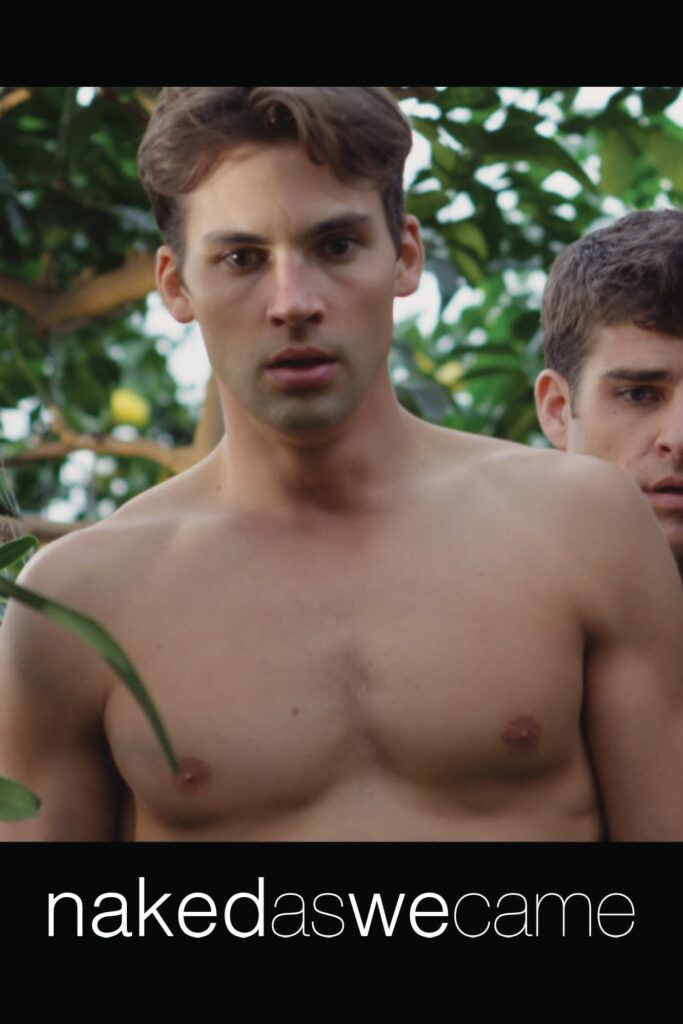
Naked As We Came (2012)

2024 Entry #62 11-08-24 “Naked as We Came” is a 2012 American drama film written and directed by Richard LeMay (“200 American”, “Whirlwind”, “Children of God”). The film stars Benjamin “Ben” Weaver (“Daddy”), as Ted, a mysterious groundskeeper who lives with and cares for a cancer-stricken woman named Lilly (S. Lue McWilliams). When Lilly’s condition worsens, Ted calls her adult children, Laura (Karmine Alers) and her decade younger brother Elliot (Ryan Vigilant), who end their extended maternal estrangement to finally return home to be there for their mother. Lilly attempts to break down the barriers that separate them and several secrets come to light.

I had seen this movie once before, years ago. I remembered very little of it. I remembered that it was the first queer film I’d seen in a long time…

And that’s all that I have written down from the day I re-watched this. I felt like I enjoyed this more the first time through and that it isn’t horrible but that it’s not great either.

It did win a few rewards upon its release, including the Audience Award” for ‘Best Feature’ at Cinema Diverse & the Audience Award for ‘Best Overall Feature’ at Long Island Gay and Lesbian Film Festival.

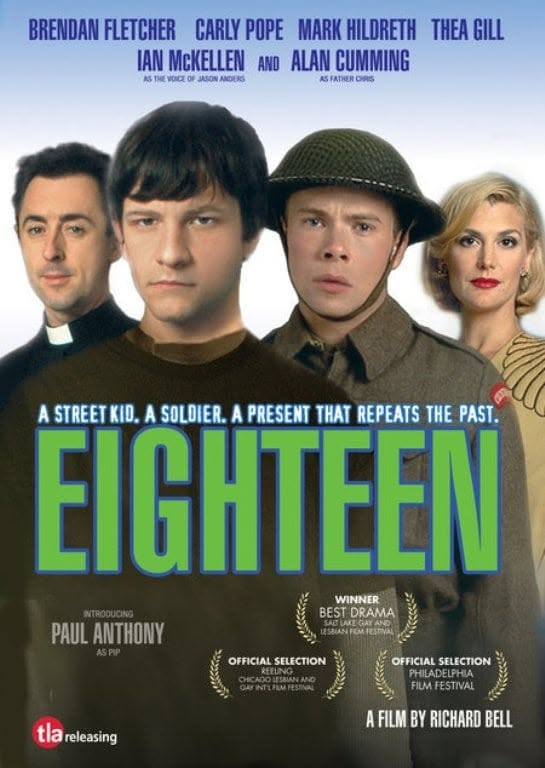
Eighteen (2005)

Eighteen is a 2005 Canadian drama film written and directed by openly gay Vancouver filmmaker Richard Bell (“Two Brothers” / “Two Brothers and Two Others”) which centers on Pip Anders (Paul Anthony) & his grandfather, Private Jason Anders (Brendan Fletcher) as the gift of a cassette tape allows Pip to experience his grandfather’s eighteenth birthday as Pip experiences his own. Both of these central characters are straight but both storylines feature dignified respectful relationships with other men, one of whom, Clark (Clarence Sponagle), is a gay hustler.

At the time I first saw this, I mostly knew Brendan Fletcher from a series of queer inclusive films, including: “The Five Senses” (1999), “Rollercoaster” (1999), “Anatomy of a Hate Crime” (2001), “Touch” (2022) & “Everyone (2004)”, which is what caught my eye at the video store. When I picked it up I also saw that the film featured Thea Gill (from the second iteration of “Queer as Folk”), with openly queer legends Alan Cumming and Ian McKellen. I rented it and enjoyed it. I bought it for my collection, which I finally revisited on November 7, 2024.

However, I wasn’t feeling well at the time and I didn’t make a lot of notes or write anything resembling a review. What I remember is that I enjoyed this just as much as I did the first time, which was a lot. It is a very quirky, very emotional, very interesting film. And someday I’ll have to give it another go so I write something more substantial than this.

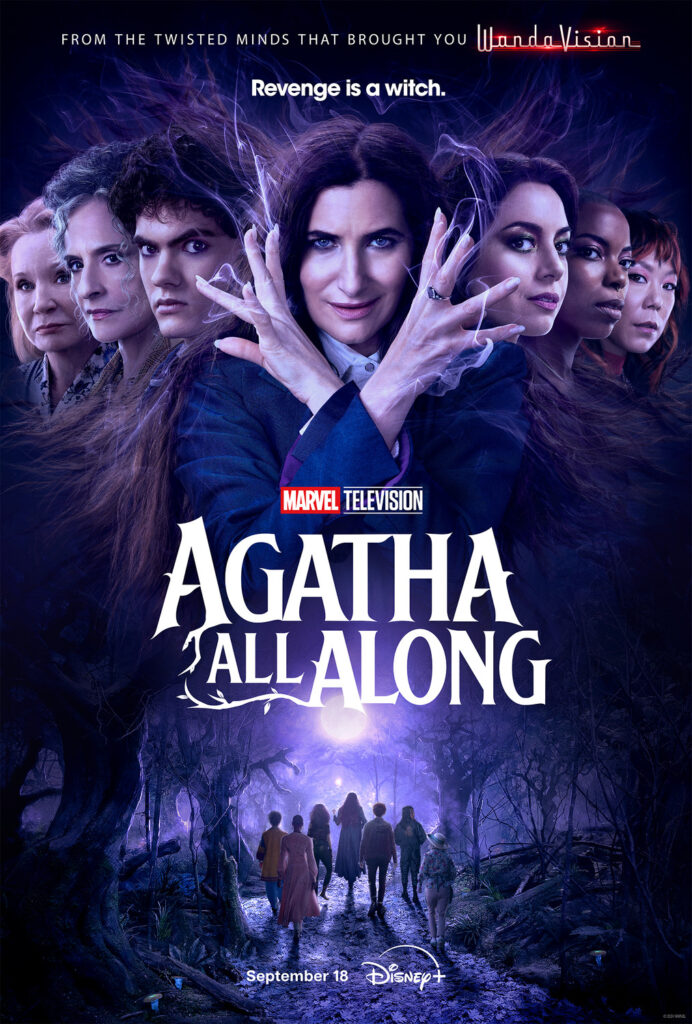
Agatha All Along (2024)

2025 Entry #60 10-30-24 “Agatha All Along” is an American television miniseries created by Jac Schaeffer for the streaming service Disney+, based on Marvel Comics featuring the character of Agatha Harkness. The series is essentially Season 2 of the 2021 Marvel miniseries, “WandaVision” (2021) and shares continuity with the Marvel Cinematic Universe. Schaeffer served as showrunner and lead director.

The series features queer talent, like Joe Locke as the mysterious “teen”, Miles Gutierrez-Riley as the teen’s loving boyfriend Eddie, and Sasheer Zamata as the bound witch, Jennifer Kale. Queer icons Patti LuPone, Aubrey Plaza & Kathryn Hahn also appear in the series, and the past relationship of the latter two as title character Agatha and the mysterious Green Witch known as Rio Vidal, is an essential element of the story. The series also confirms the queer nature of two characters who were themselves introduced in the aforementioned “WandaVision”.

This series is a delight! I loved “WandaVision” and I love most of Marvel so I’m a bit biased. I do however know people who enjoyed this who were somehow ignorant of the fact that it is a sequel or part of a larger story, but I’d recommend at least watching “WandaVision” before this series – and if possible, “Doctor Strange in the Multiverse of Madness” between them – because these 3 stories weave in and out of one another – and all of them feature queer characters. I always hoped that one of these queer characters would be introduced but I doubted they ever would! And not only has it now happened, but it happened in this impressive puzzle box of a series that genuinely surprised me with several of its twists.

I should warn people, I suppose, that the ending sets up more stories, which is pretty typical of Marvel, but these stories have a good chance at being made as this series was a big hit for Disney / Marvel! Rumors persist that this series will get a second season as it was nominated for awards outside the “limited series” categories and Disney+ has begun listing it as “Season 1”. Additionally, an alternate version of Agatha (still seemingly queer) & Vision have already returned in an episode of another series (“What If…?”) and another alternate take on Wanda is expected to appear in Marvel Zombies in October of 2025 – while the version of Vision from the parent series is also expected to return in his own spotlight show in 2026.

Highly recommended! Especially if you’re a Marvel fan!

Edit: This series has since been described the the middle part in a trilogy, made up of “WandaVision”, “Agatha All Along” & “VisionQuest”, an upcoming miniseries. Again, I’d include “Doctor Strange in the Multiverse of Madness” between ‘Wanda’ & ‘Agatha’ but otherwise this seems to make sene. The new series is expected in late 2026.

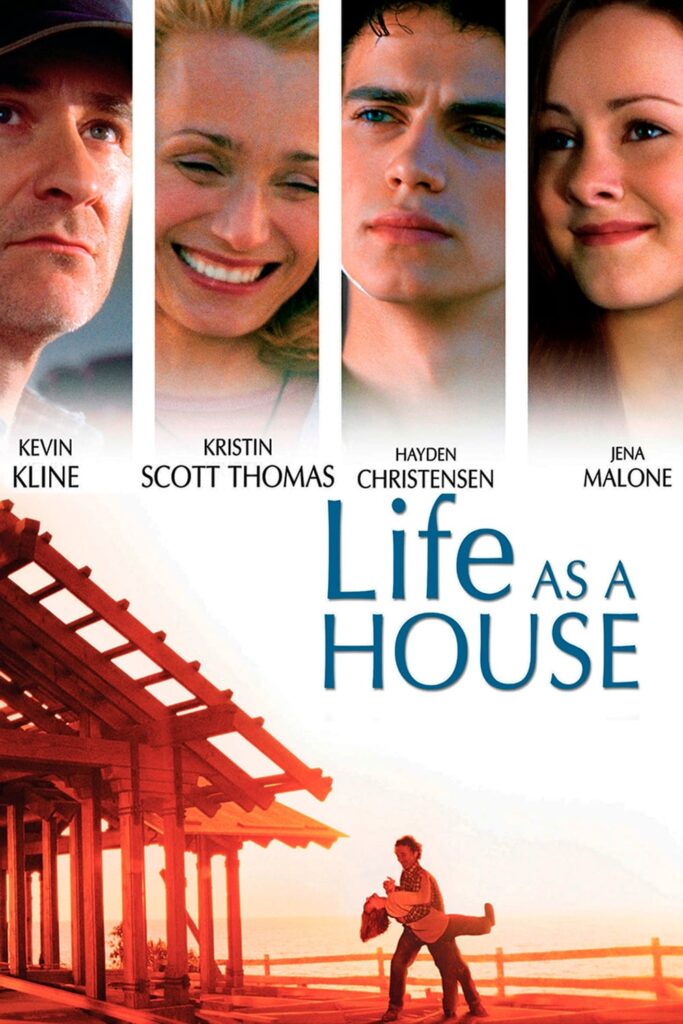
Life as a House (2001)

2024 Entry #59 09-05-24 “Life as a House” is a 2001 American drama film produced and directed by Irwin Winkler (“De-Lovely”, “The Wolf of Wall Street”) based on a screenplay by Mark Andrus (“As Good as it Gets”, “Otherhood”). The story focuses on a man who is anxious to repair his relationship with his ex-wife and teenage son after he is diagnosed with terminal cancer.

I’ve always enjoyed this movie, though its attitudes towards body jewelry annoys me as I have a labret piercing and I love it. lol The film is great though, emotionally, and it takes several unexpected turns. It’s not perfect, but it’s very good.

As for the queer content, early in the film, Hayden Christensen’s character is led into the world of sex workers by his frenemy and would-be-pimp, a seemingly straight guy played by Ian Somerhalder (“Rules of Attraction”, “Law and Order: SVU”) – who initiates an encounter between Christensen’s character and a john (played by Sam Robards from “American Beauty”, “Bounce”) – which is interrupted by the police – which becomes a key plot element later in the film. It’s pretty tenuous but it is there.

The Adjuster (1991)

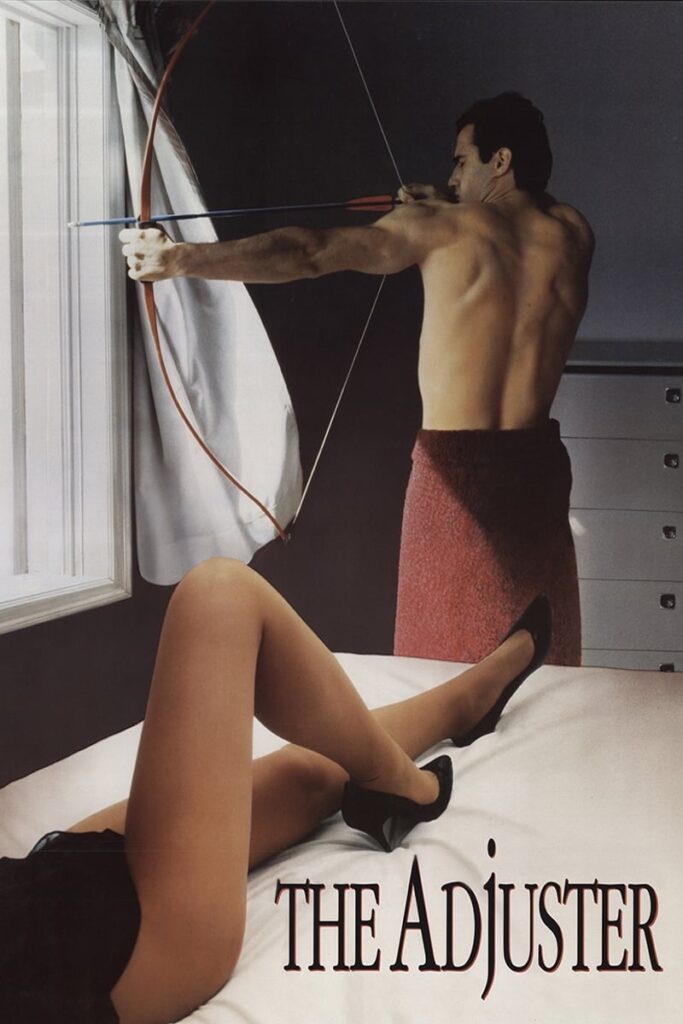
2024 Entry #58 08-20-24 “The Adjuster” is a 1991 Canadian drama film directed by Atom Egoyan (“Speaking Parts”, “Exotica”, “Ararat”, “Where the Truth Lies”, “Chloe”); this was his fourth feature film and the first to achieve international acclaim. The film stars Elias Koteas (“Chain of Desire”, “Exotica”, “Crash”, “Apt Pupil”, “Ararat”) as Noah Render, the insurance adjuster of the title who sleeps with his clients, men and women alike.

A very odd film. I’d been meaning to watch this one for ages and it felt like I’d found another David Lynch film. Elias Koteas is as hot as ever but how much you’re able to enjoy this will likely be based on your expectations.

Hellraiser: Deader (2005)

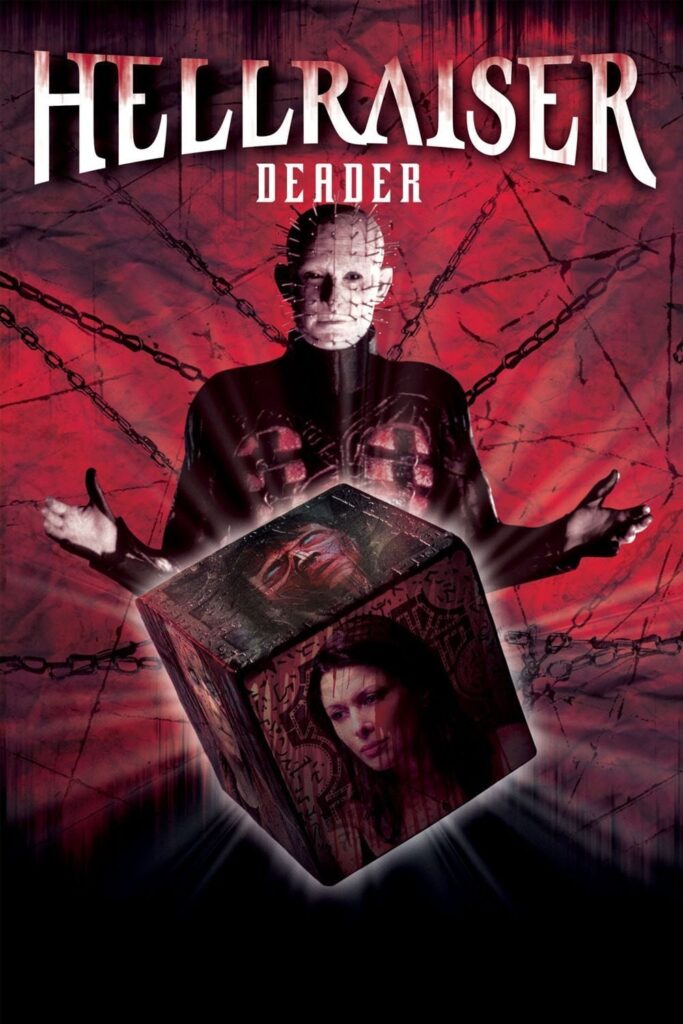
2024 Entry #57 08-13-24 “Hellraiser: Deader” is a low budget 2005 American supernatural horror film; it was the seventh installment released in the Hellraiser series. Directed by Rick Bota, the original script was written by Neal Marshall Stevens. As with “Hellraiser: Hellseeker” (Hellraiser VI) it began as an unrelated spec script, which was subsequently rewritten (by Tim Day) as a Hellraiser film. Like “Hellraiser: Inferno” (Hellraiser V), series gay creator Clive Barker did not have any involvement in the production.

This movie barely rates a mention, but the point of me reviewing LGBTQ+ inclusive material stems from a childhood in which there was almost no representation – so childhood me (who collected horror movies, many of them low budget shlock like this one, and who was a fan of gay author Clive Barker, without knowing he was gay) would have enjoyed this movie. It’s not a happy movie and it’s not necessarily a good movie, but considering some of the Hellraiser sequels that have been spit out over the years, this one isn’t that bad. It also has several interesting concepts within it, which never quite gel, but raise some interesting questions, just the same. The film features a graphic topless girl on girl makeout scene in a bizarre, sex positive side plot – which may or may not be everyone’s cup of tea. And then there’s the human villain Winter, as played by Paul Rhys (“Food of Love”, “Saltburn”), who is revealed to be a descendant of Phillip LeMarchand, a French toymaker who was revealed to have been commissioned to make the Lament Configuration, the puzzle box which summons the Cenobites. His character is somehow able to bring people back to life with a kiss, which he demonstrates with both a woman and then a man. Some equal opportunity homoeroticism. Also, there’s some blink and you’ll miss it full frontal male nudity. So again, I’m pretty sure that little boy me would have loved this movie. But as an adult, it’s well below average. But horror fans might want to give it a go.

Deadpool & Wolverine (2024)

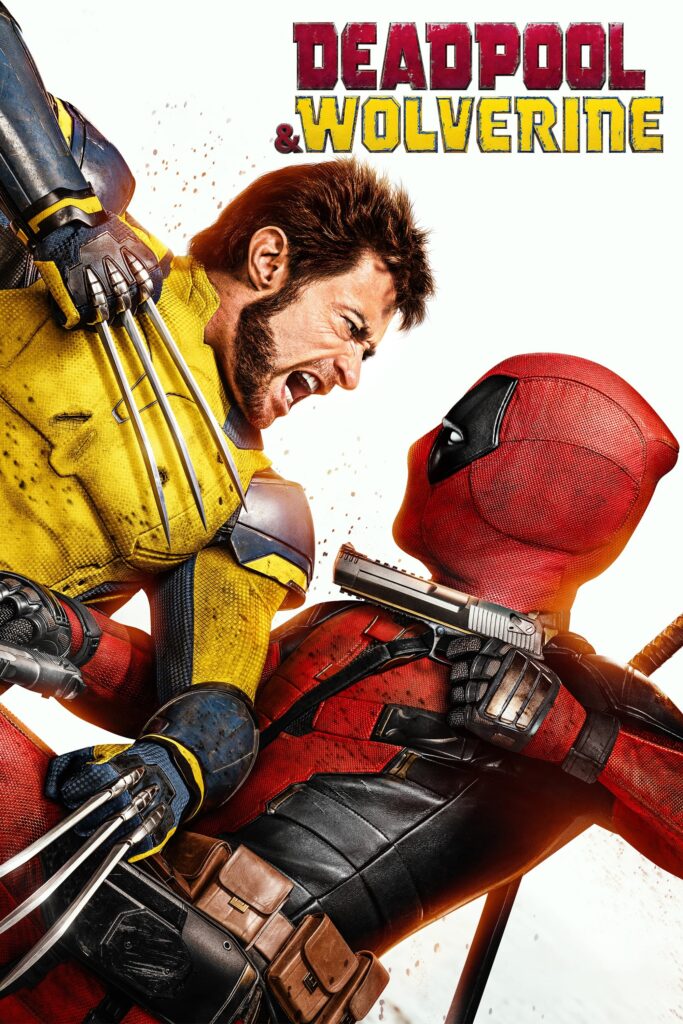
2024 Entry #56 07-25-24 “Deadpool & Wolverine” is a 2024 American superhero comedy film based on Marvel Comics which serves as both the 14th entry in Fox’s X-Men film universe and the official 34th film in the ongoing Marvel Cinematic Universe. The film was directed by Shawn Levy (“Stranger Things”, “Free Guy”) from a screenplay he wrote with Ryan Reynolds (“Buying the Cow”, “The Nines”, “Deadpool”, “Deadpool 2”), Rhett Reese, Paul Wernick, and Zeb Wells.

I’m going to avoid spoilers, including plot info here as the film is still in theaters, and I have friends who still haven’t seen the film – which is packed with surprises that I don’t want to spoil.

Having said that, Deadpool is back and he’s more openly pansexual than ever – and this time he brought lots of friends, including cameo roles for openly queer Brianna Hildebrand as Negasonic Teenage Warhead, a teenage member of the X-Men & Shioli Kutsuna as Yukio, Negasonic Teenage Warhead’s girlfriend and fellow X-Men member – both returning from previous Deadpool films. I’m sure there are other elements which I could mention, but it’s been nearly a month since I saw it and I only remember the highlights – because I didn’t write this right away. Lol

The movie is a fun action / comedy – with extreme comedy action violence and much raunchy humor. The film has been a huge success, having joined the billion dollar club and already ranking as the highest grossing rated R movie of all time.

error: Content is protected !!