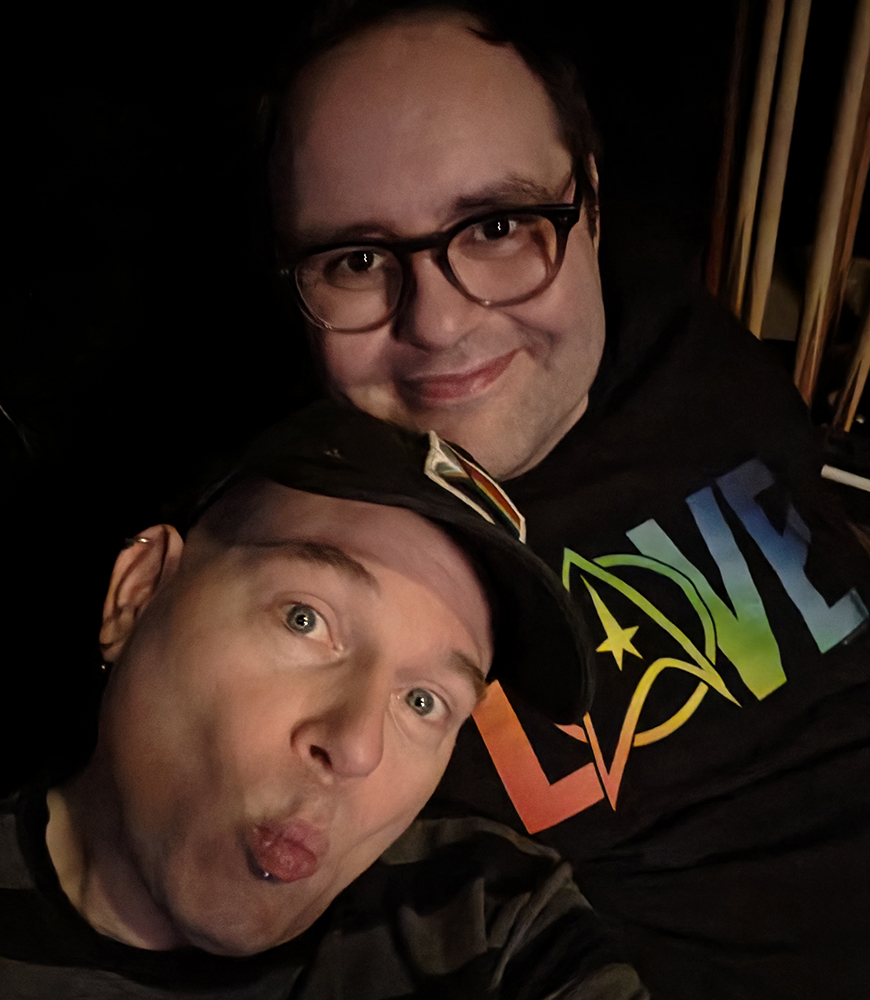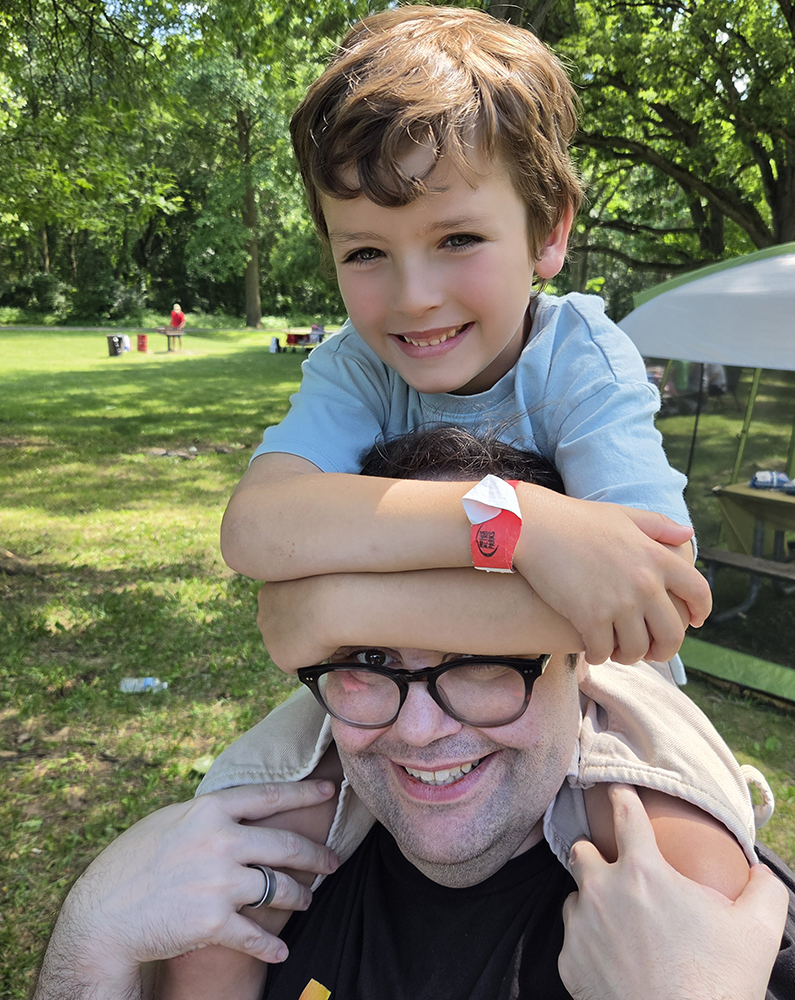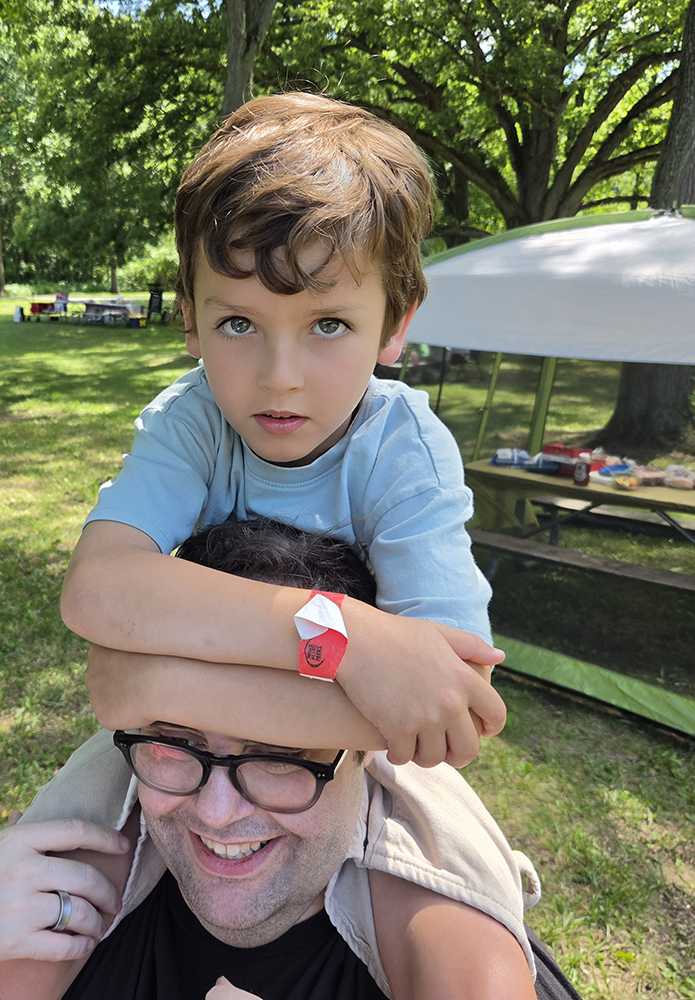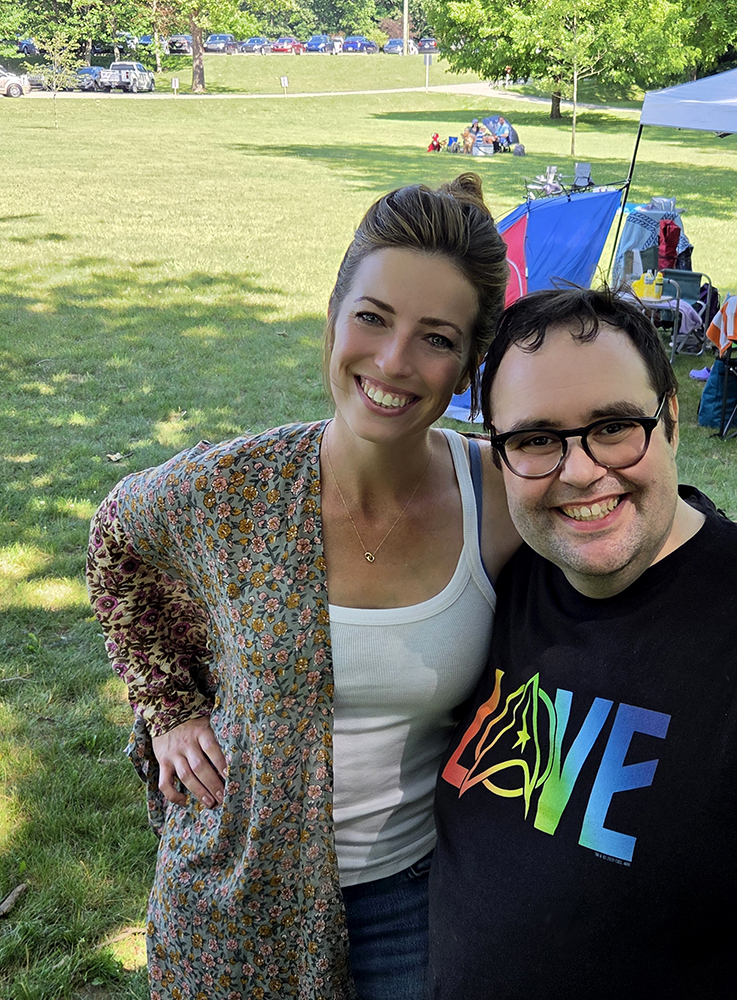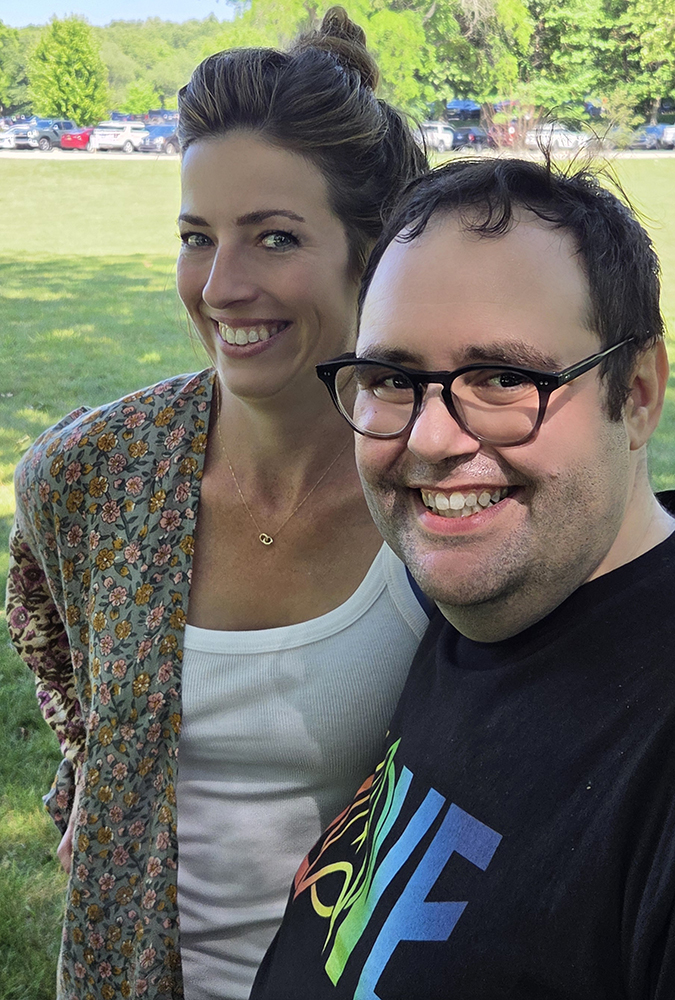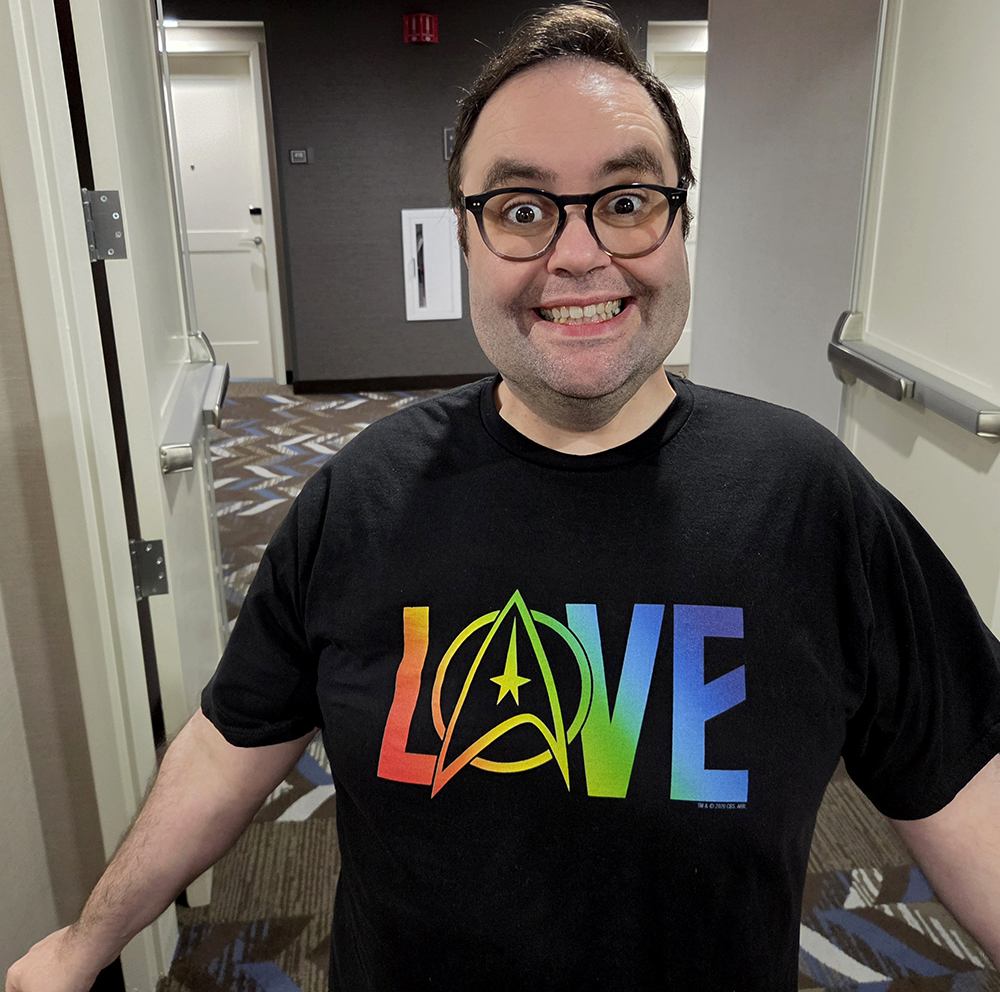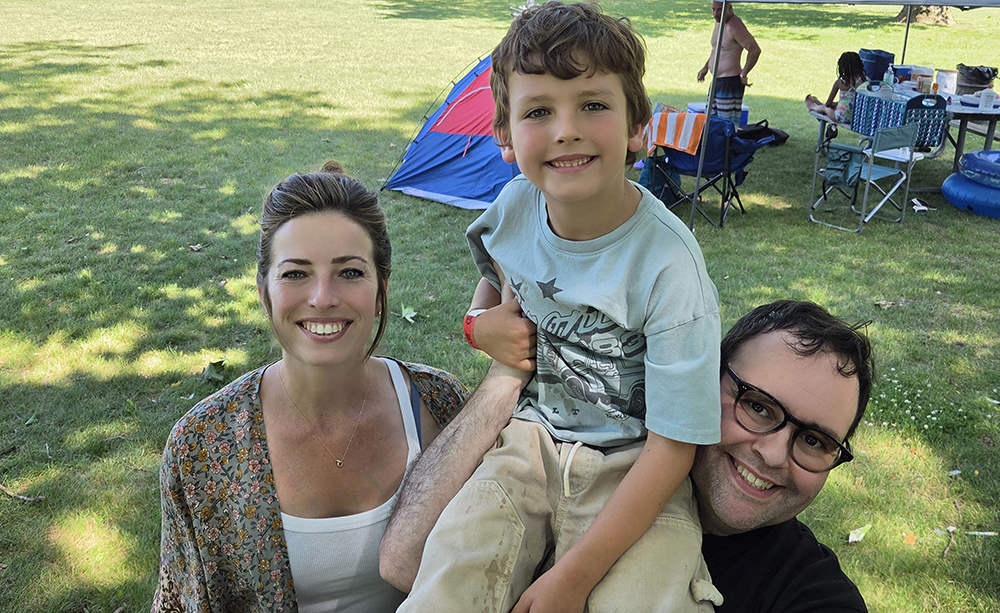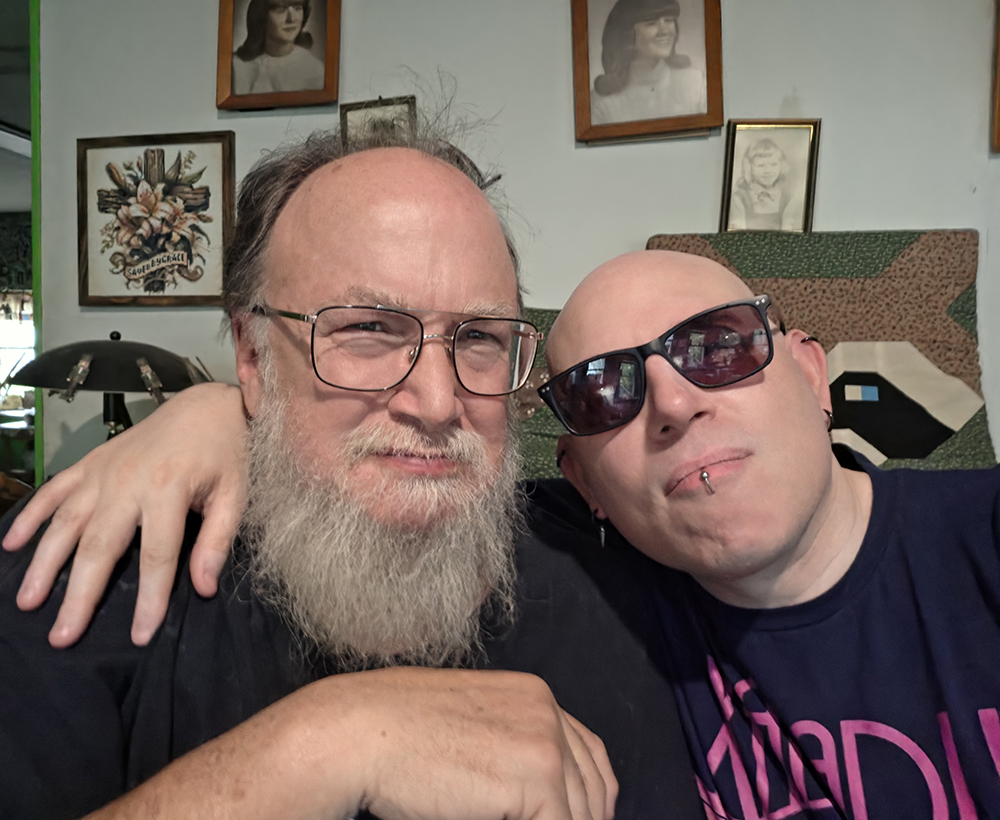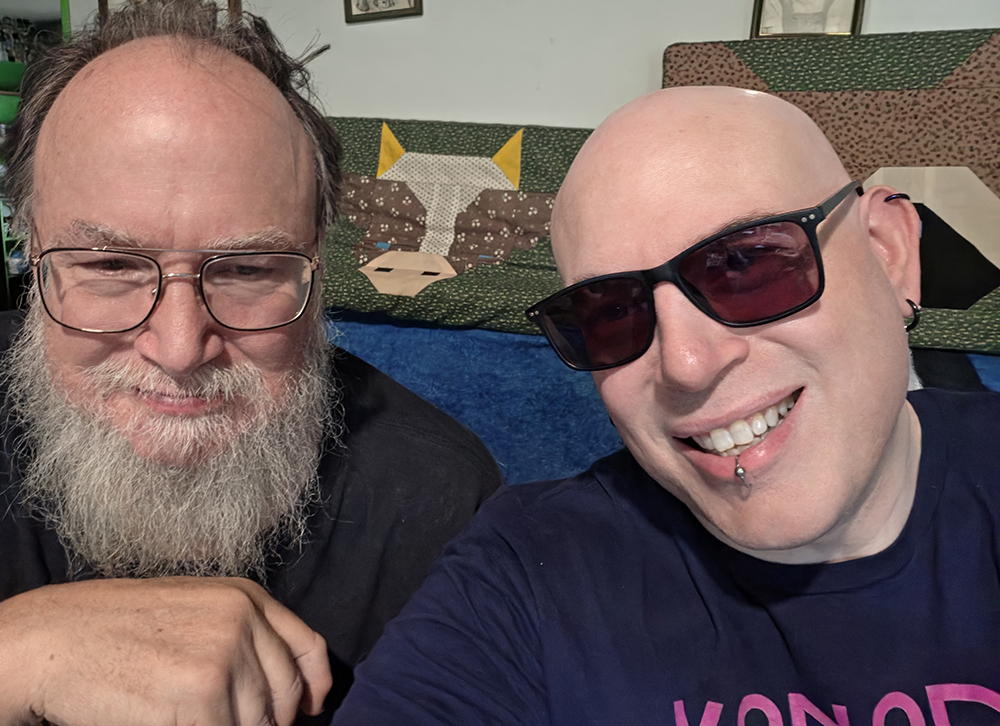
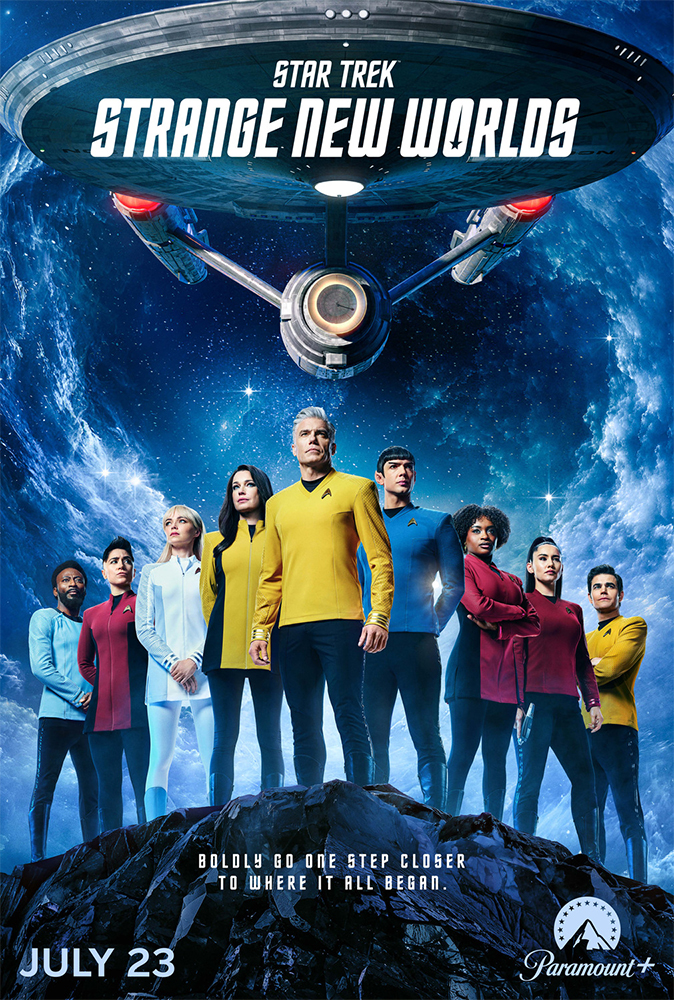
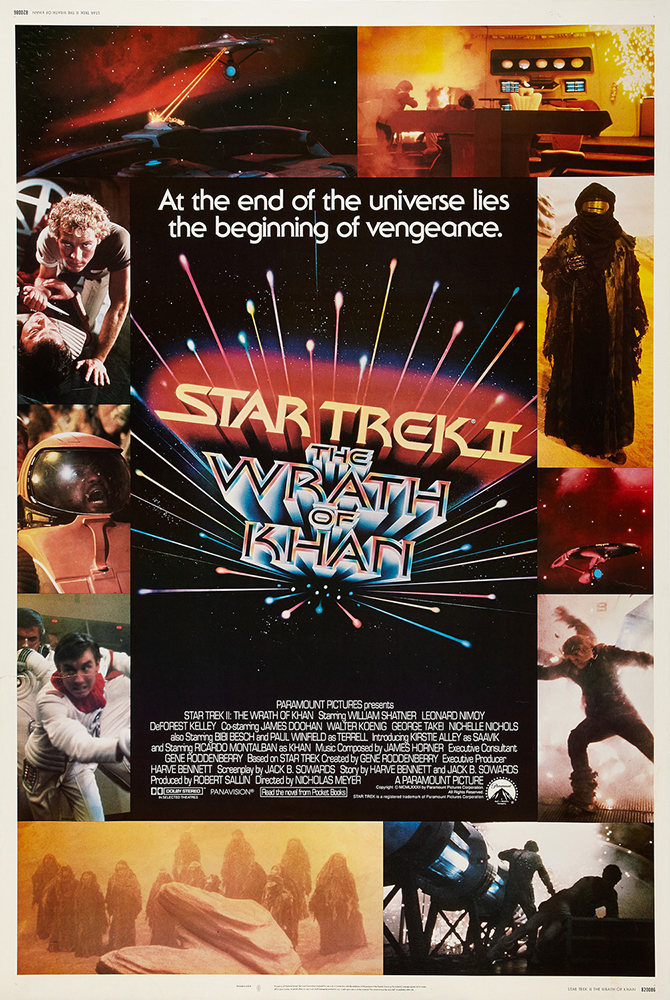
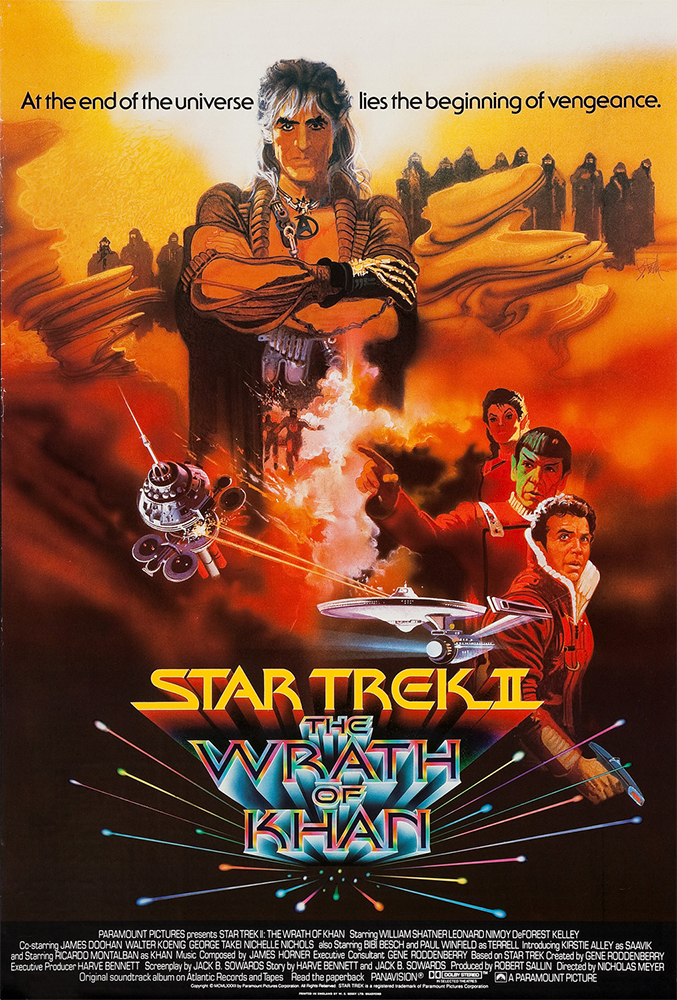
Aaron and I watched Star Trek: Strange New Worlds S04E02 “The Griffin Incident” Thursday night (07-30-26). The episode is another of SNW’s horror themed tales, which was quite gorey for a Star Trek episode and which really disturbed Aaron, who doesn’t enjoy horror or gore of any kind. I was less bothered, but I still didn’t enjoy it very much, and while there was some horror trope fun in there for me, and some good continuity elements, there was a line about Kirk being a Boy Scout, which I hated so much (because of how it changes how a scene in “Star Trek II: The Wrath of Khan” plays now) that neither of us felt great about this installment of the series.
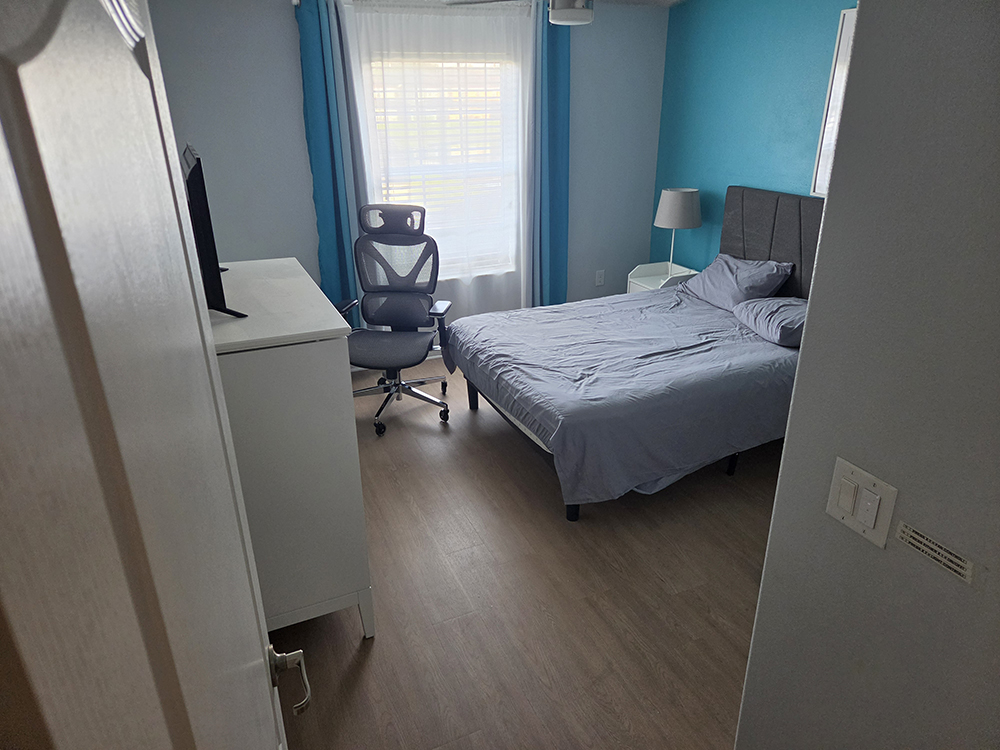
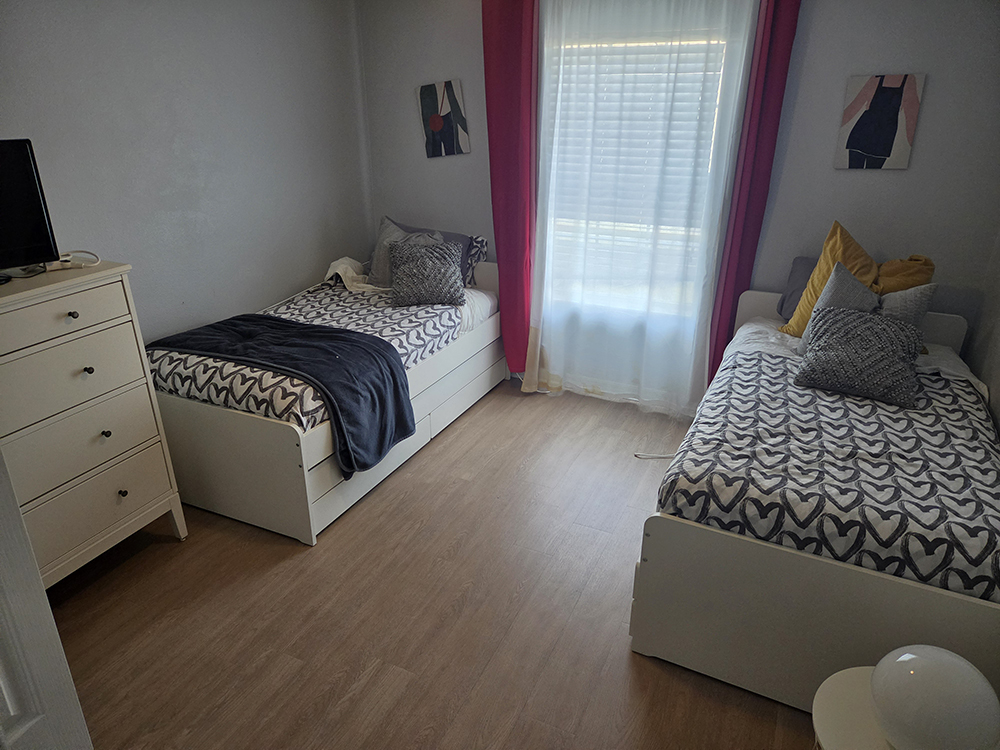
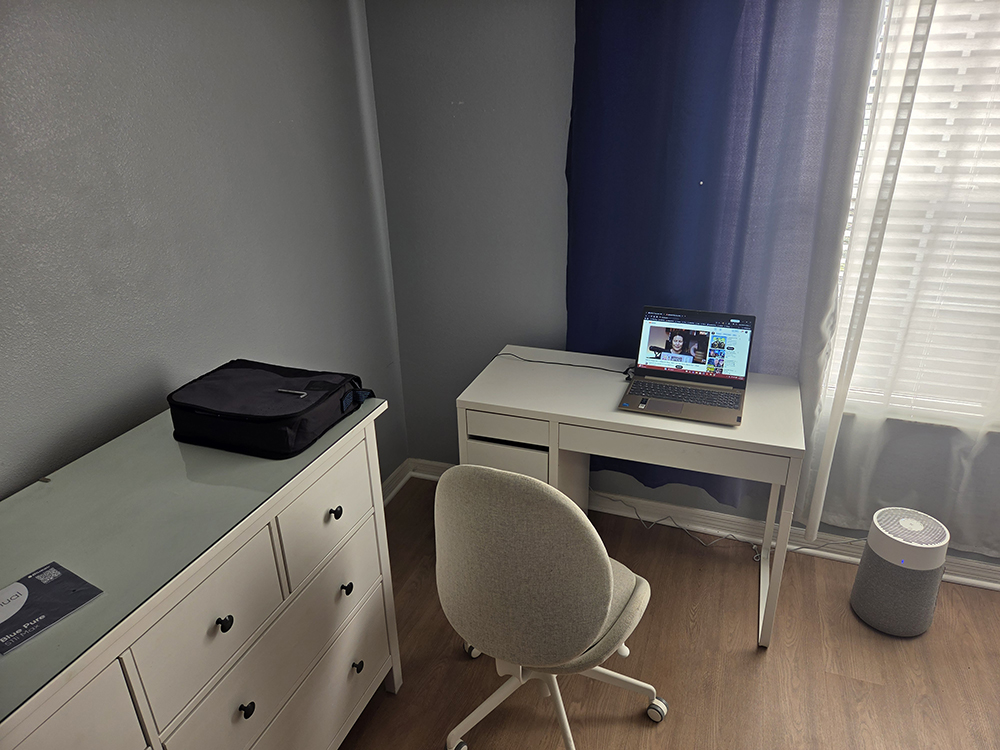
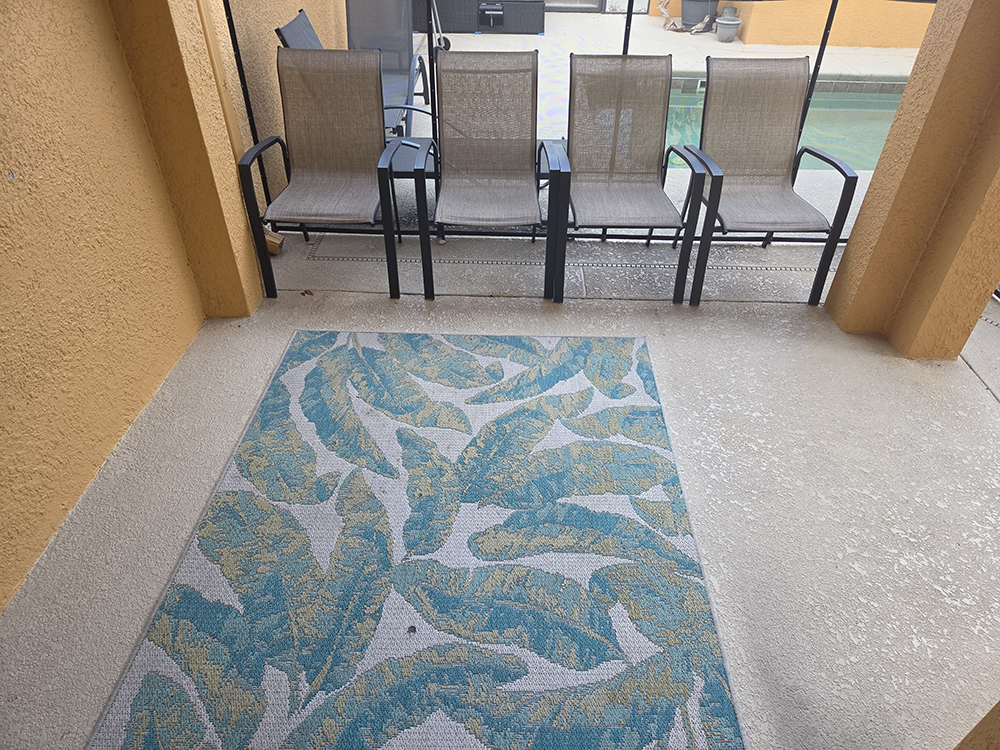
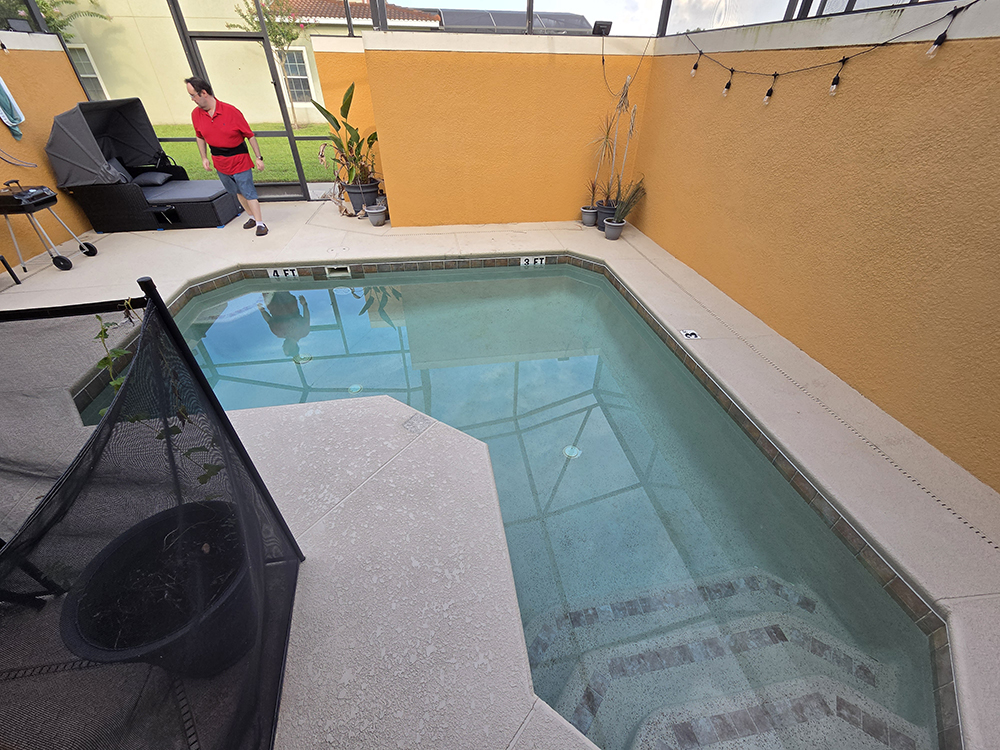
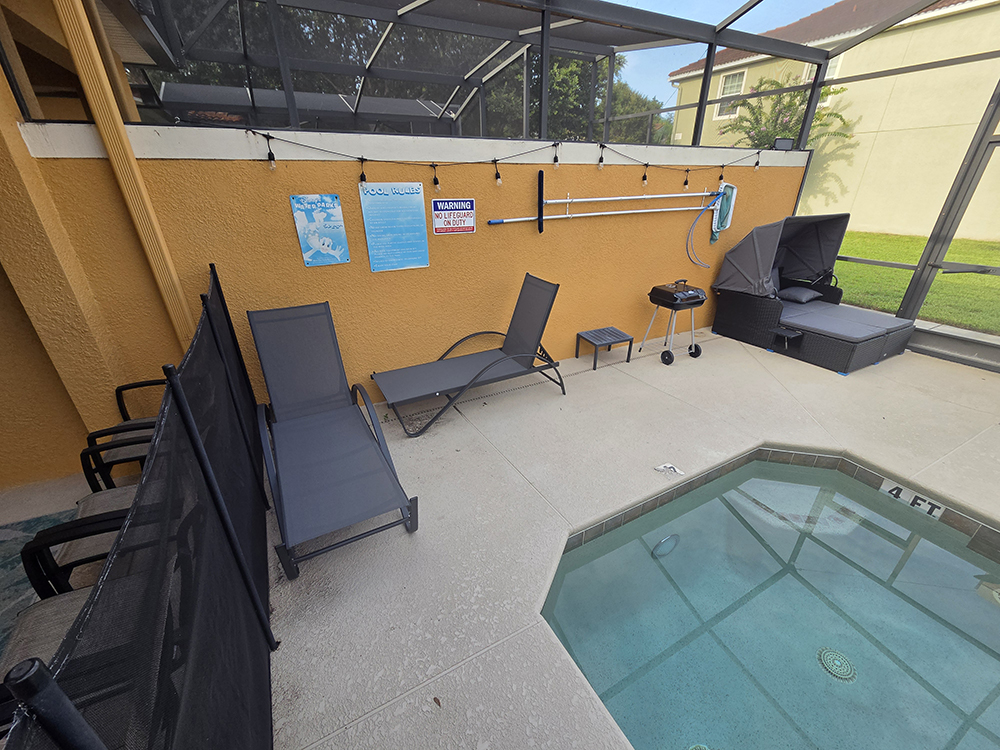
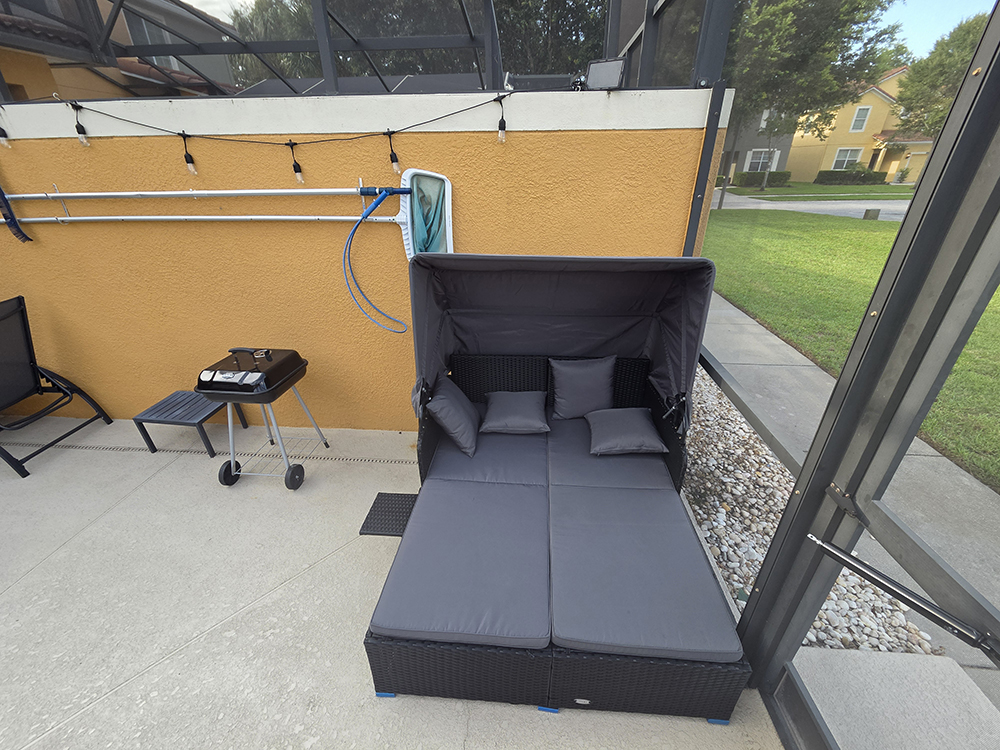
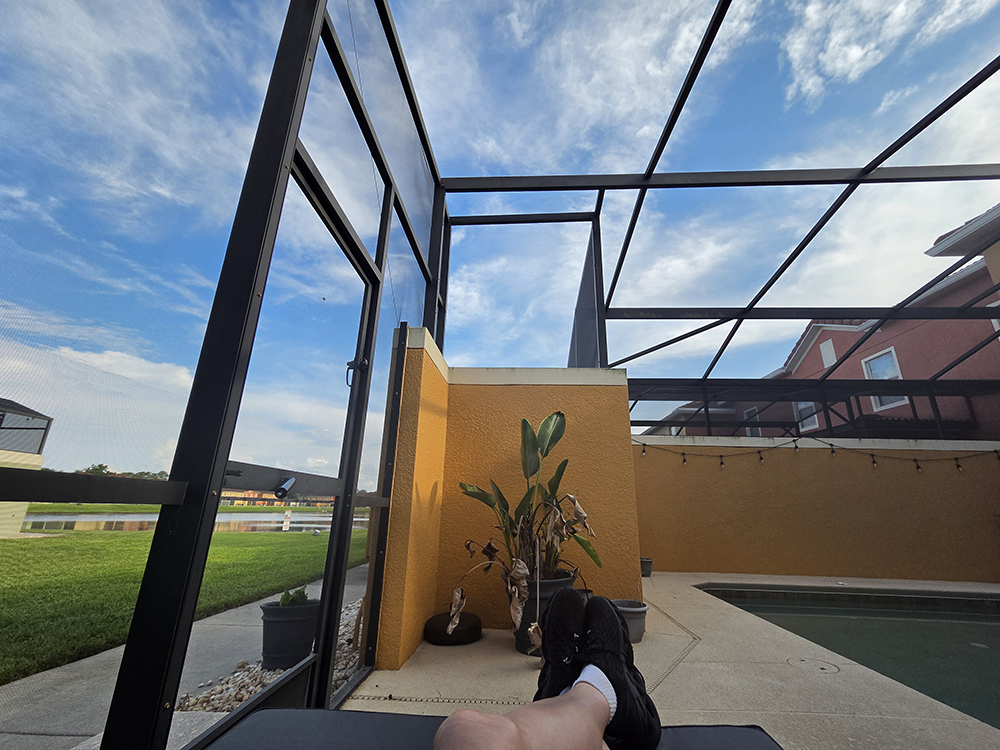
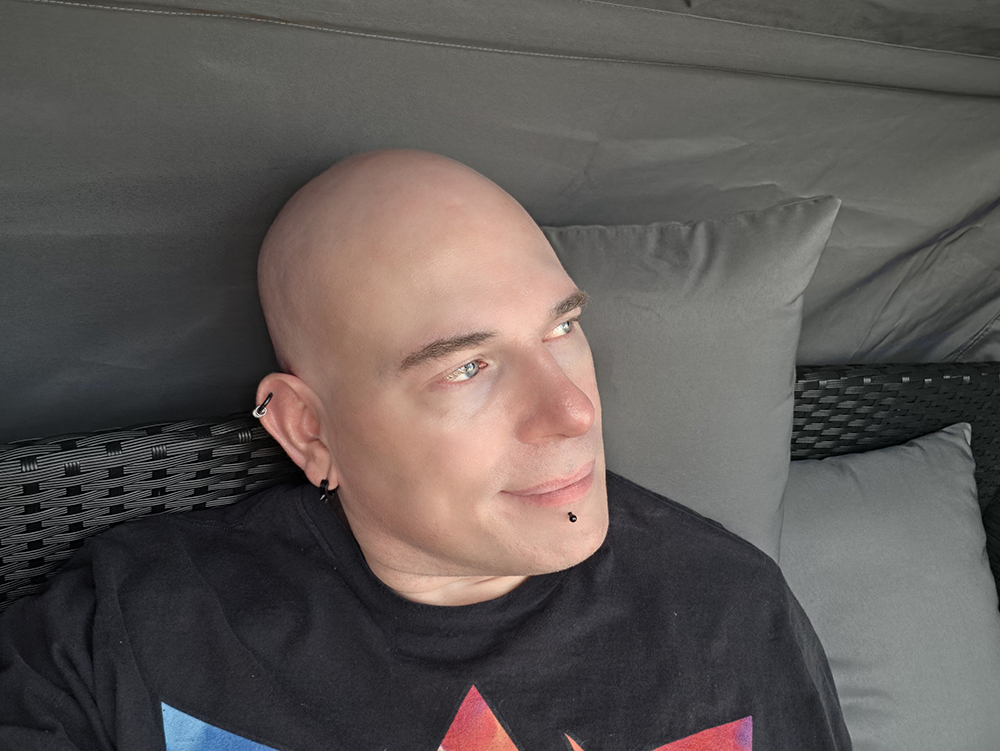
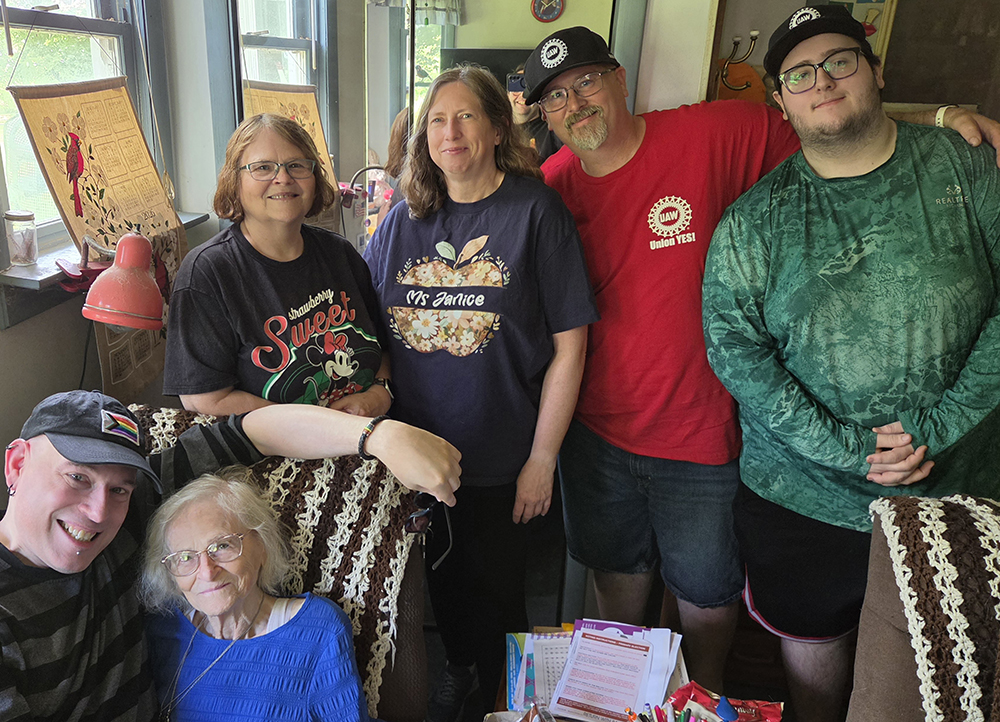
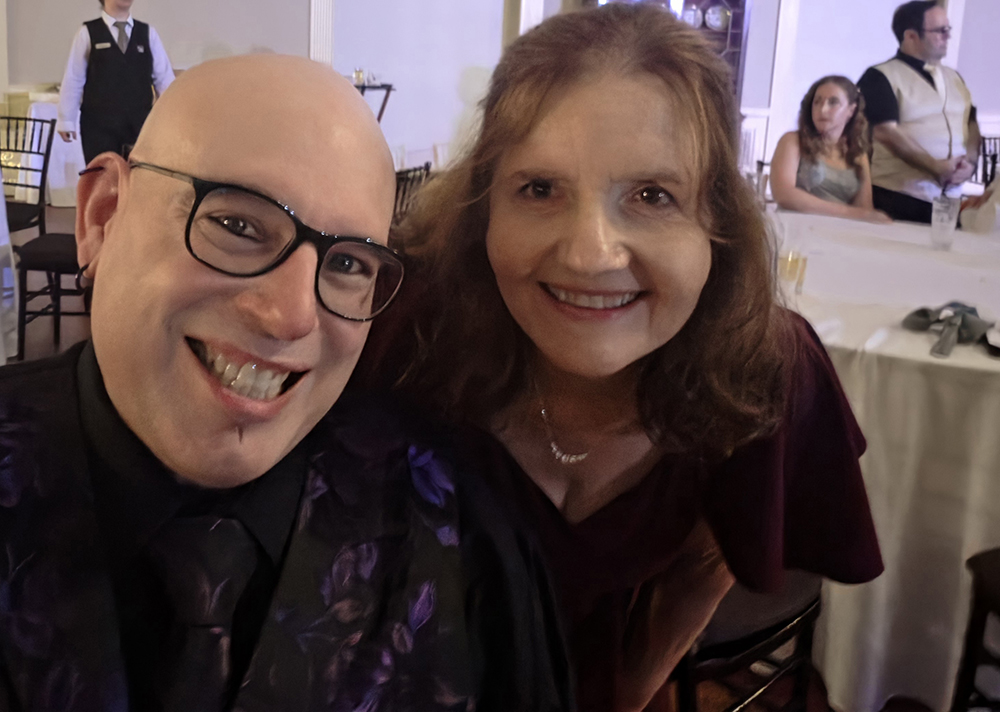
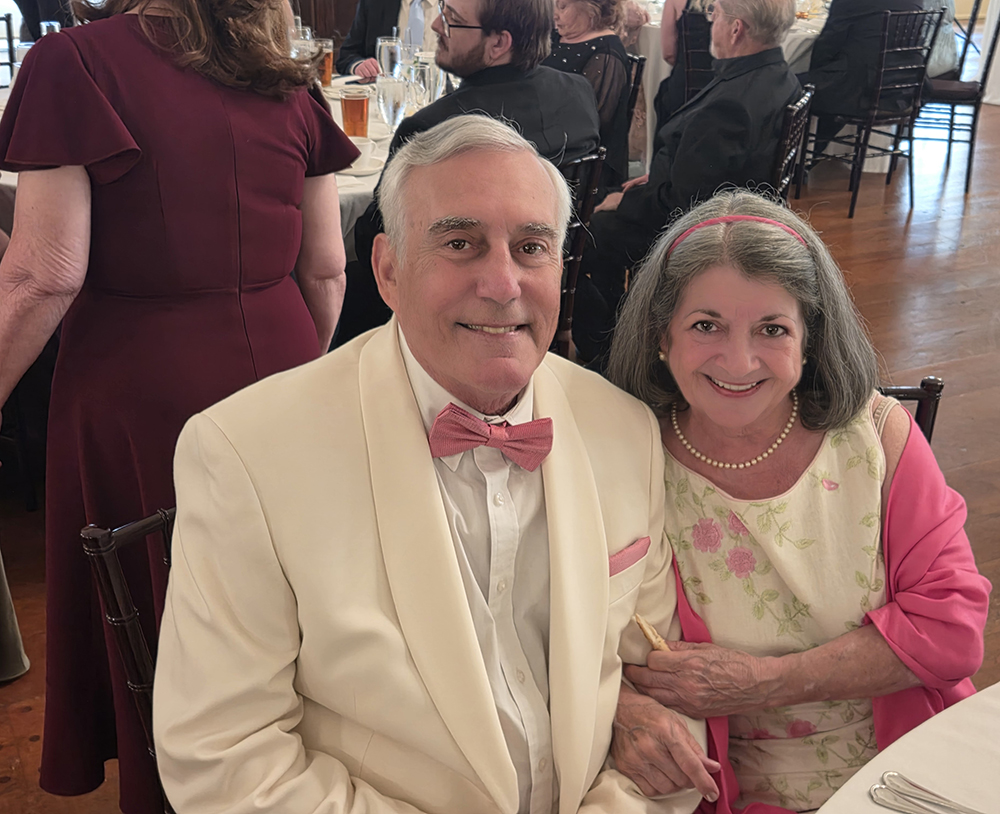
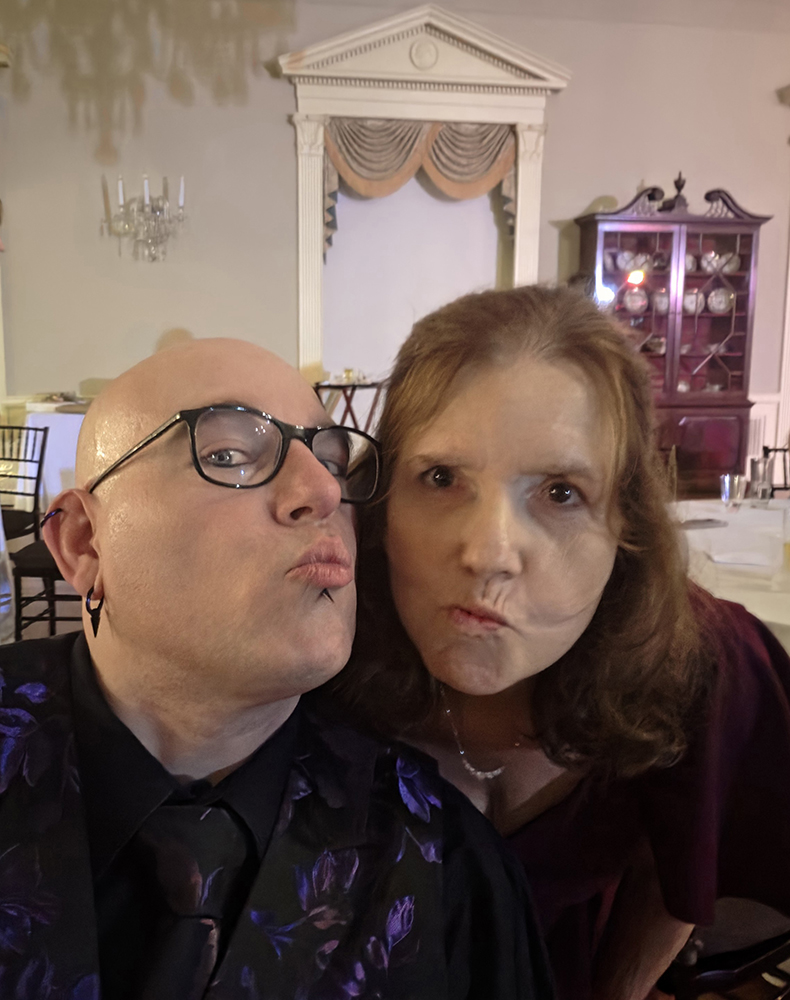
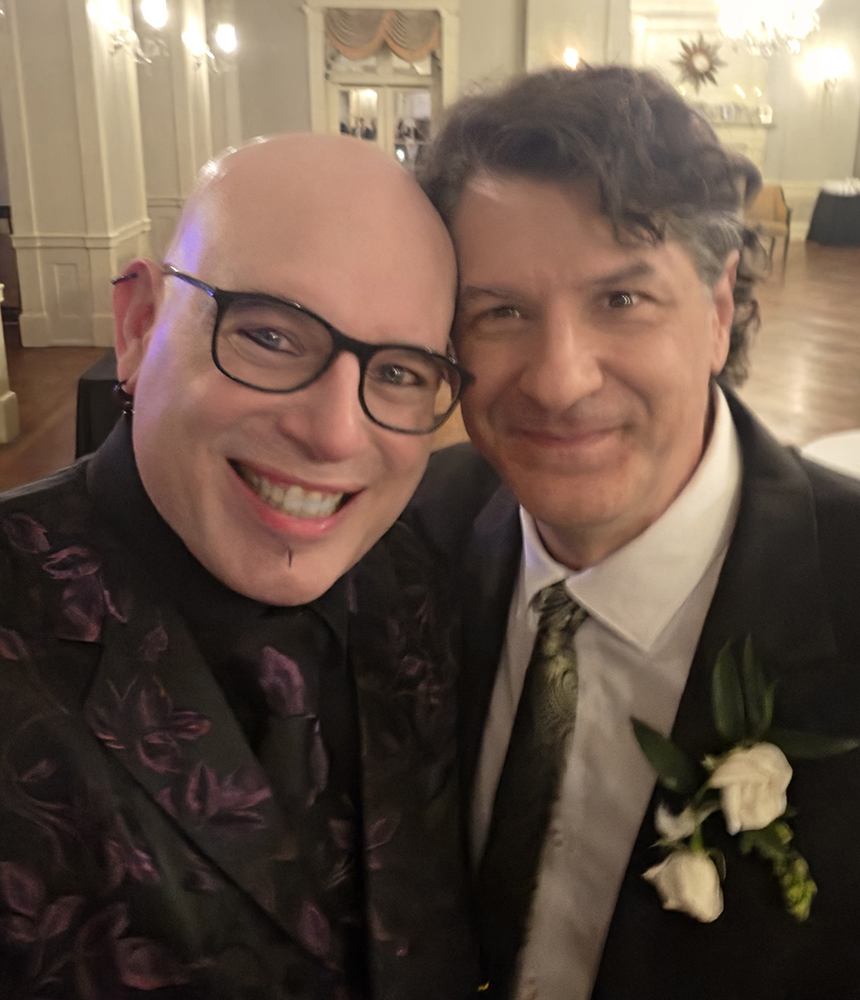
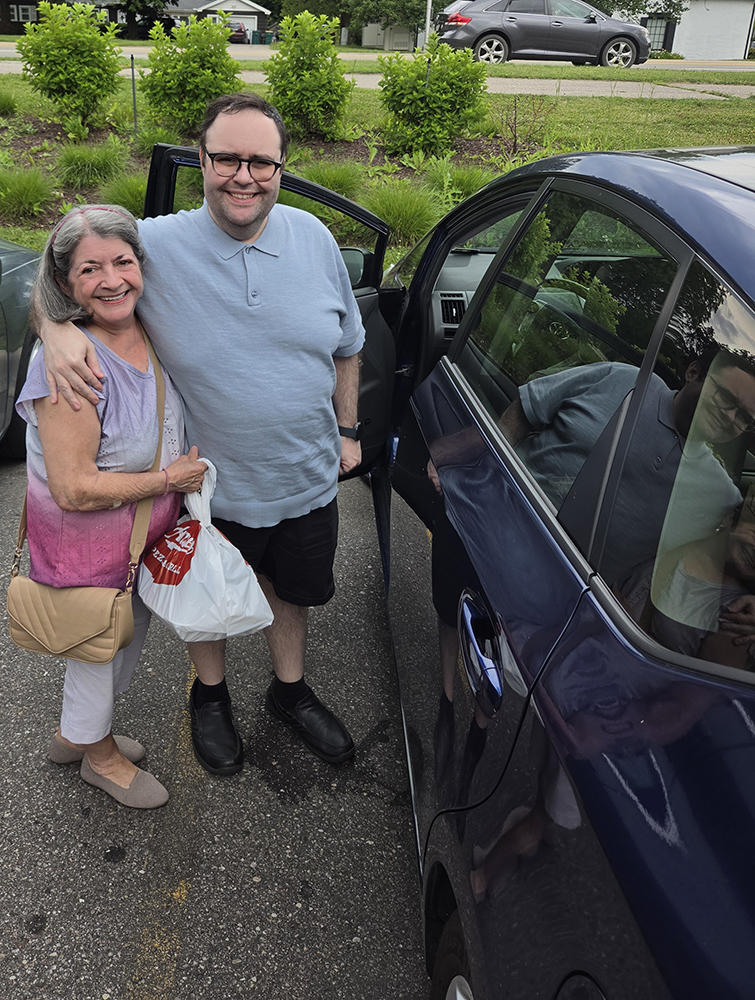
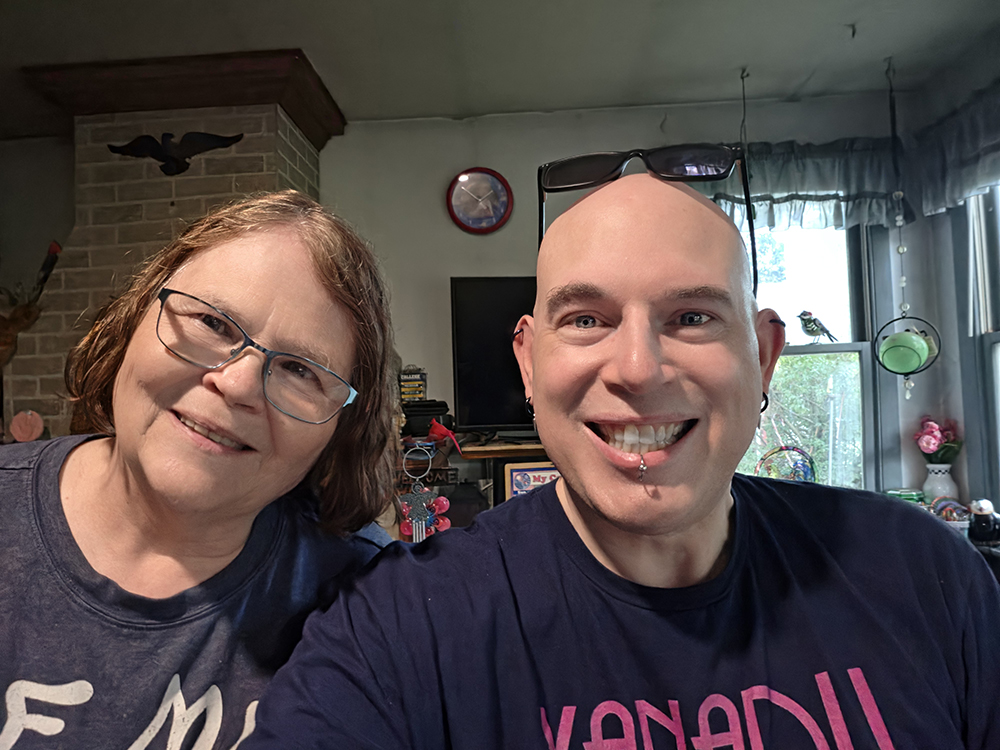
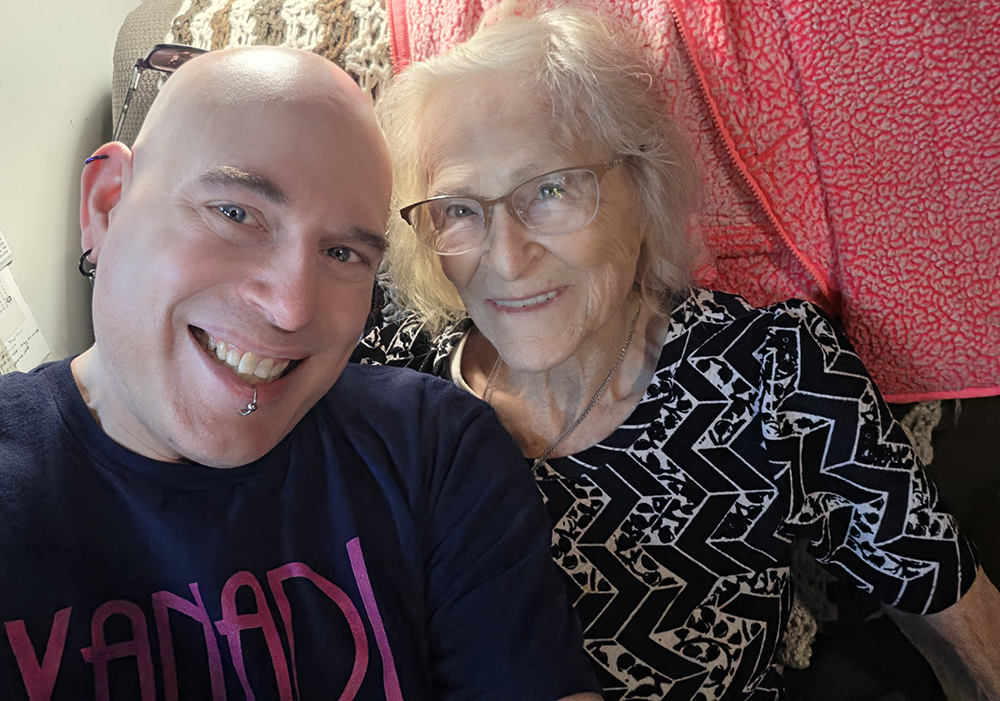
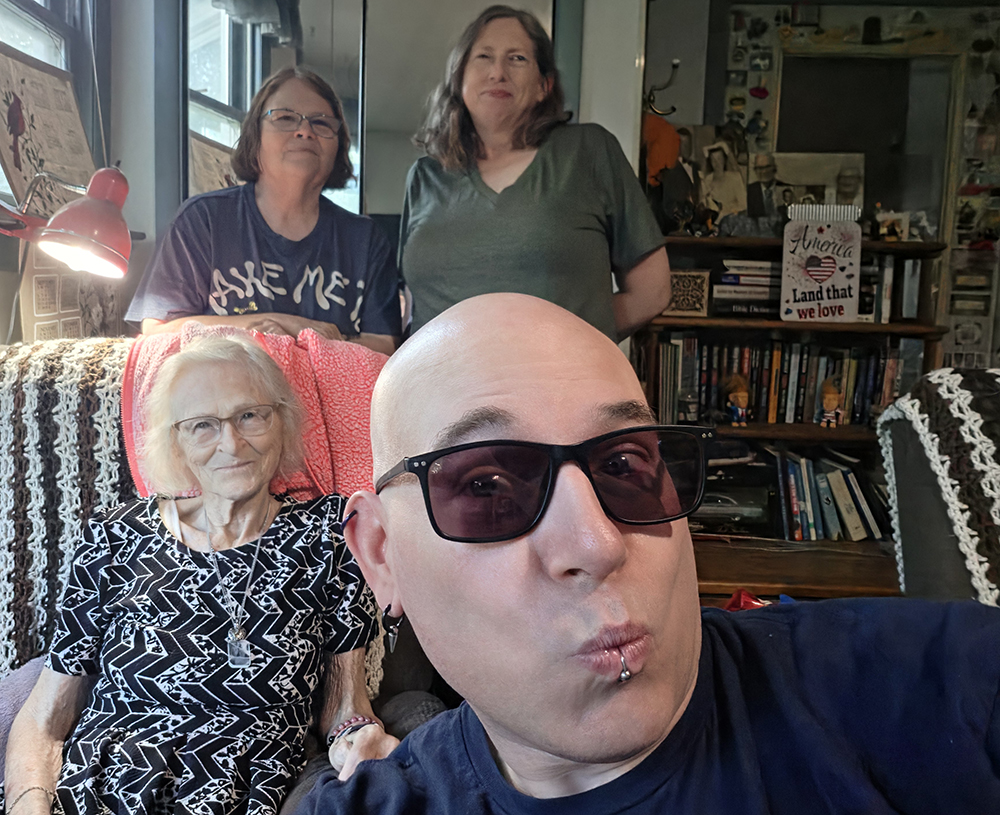
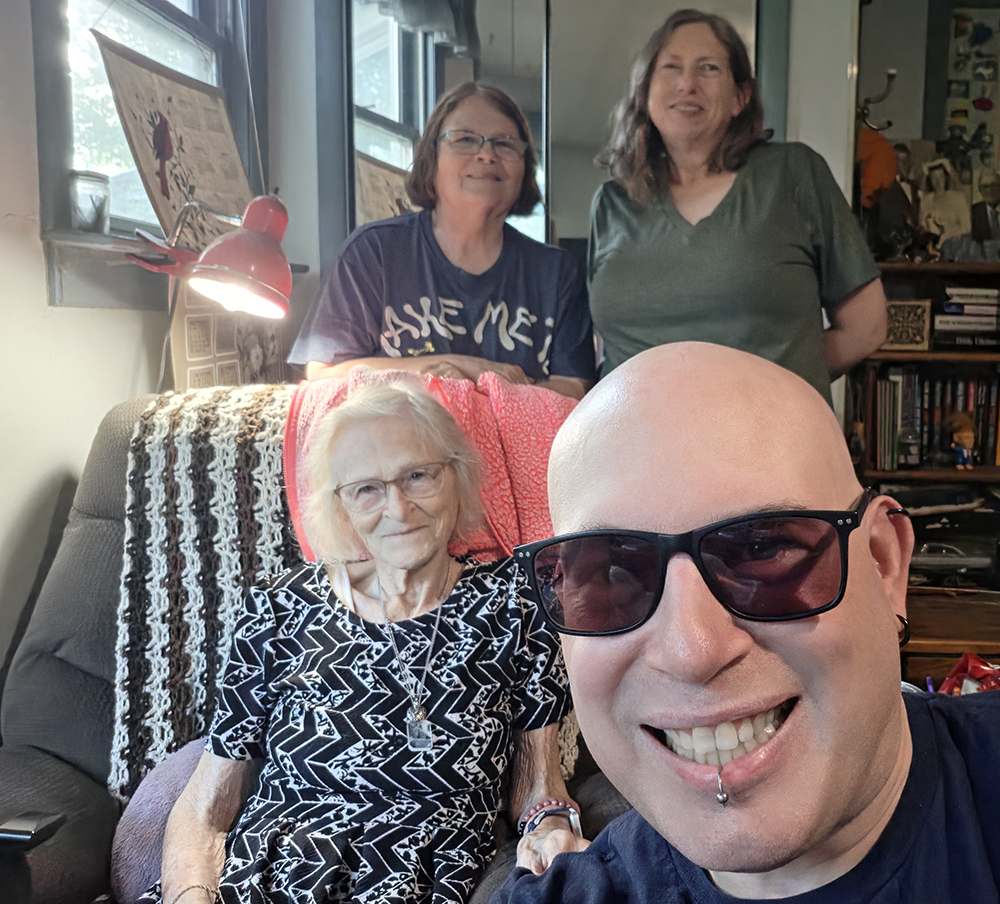
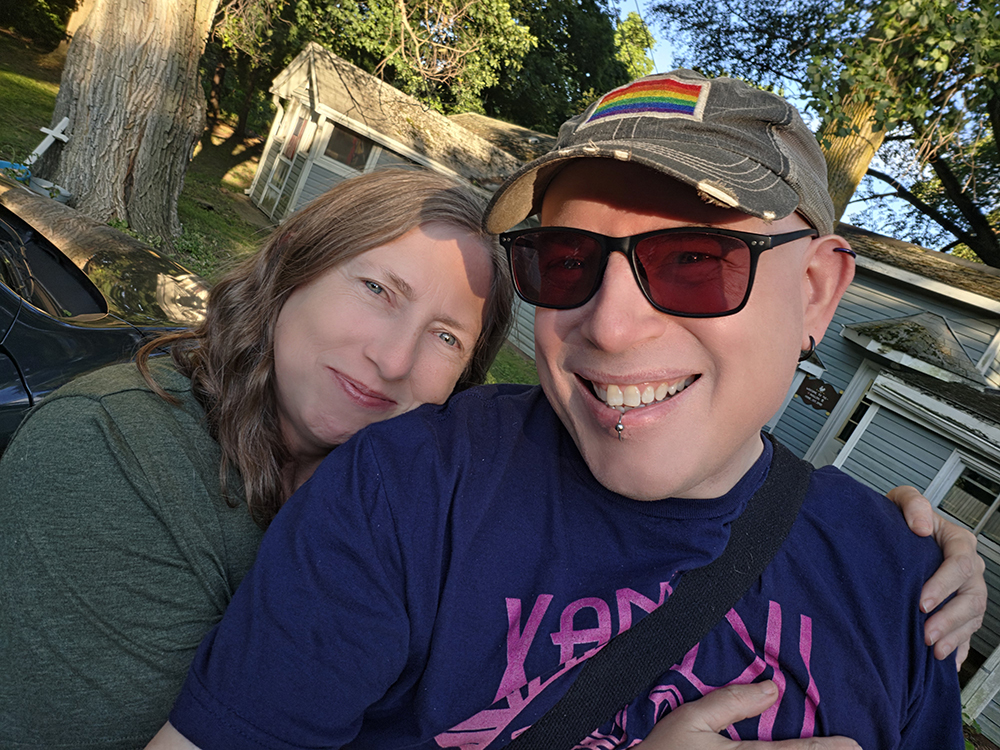
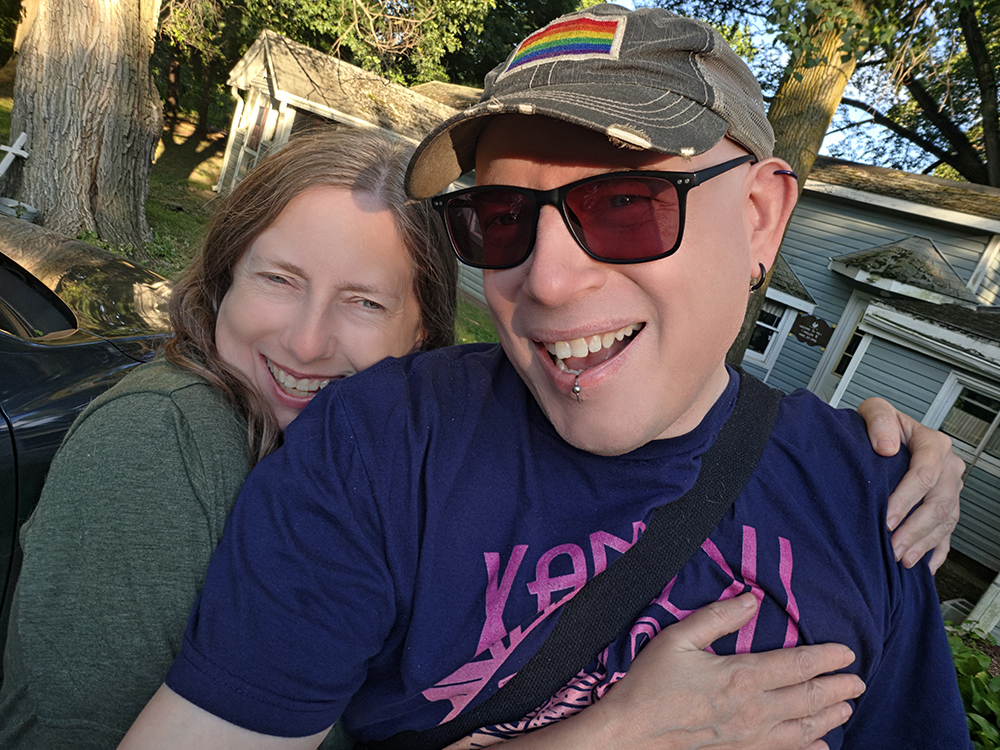
Mary Ellen and Mark arrived on Friday (07-31-26). We had several workers at the FL house who got a lot of stuff done; it looks a lot better, vasty improved. I’d share pictures of this but I’m not sure how to do that until I get back to New York, so maybe I’ll update these posts later, or just put them in a new post. We’ll see. [Edit: Post Updated!]


We worked most of the day though I had to take extended breaks due to my disability. Everyone here knows that and were kind. I was able to join everyone for dinner at Giovanni’s, which was nice. We’ve never actually been at the house with Mary Ellen and Mark, though I have been to FL with Mary Ellen and Aaron, a little over 10 years ago, to see Aaron graduate from Full Sail University. 10 years. Crazy. And on that trip we also did Marvel-y stuff, seeing the premiere of “Captain America: Civil War” and riding Marvel themed rides at Universal.

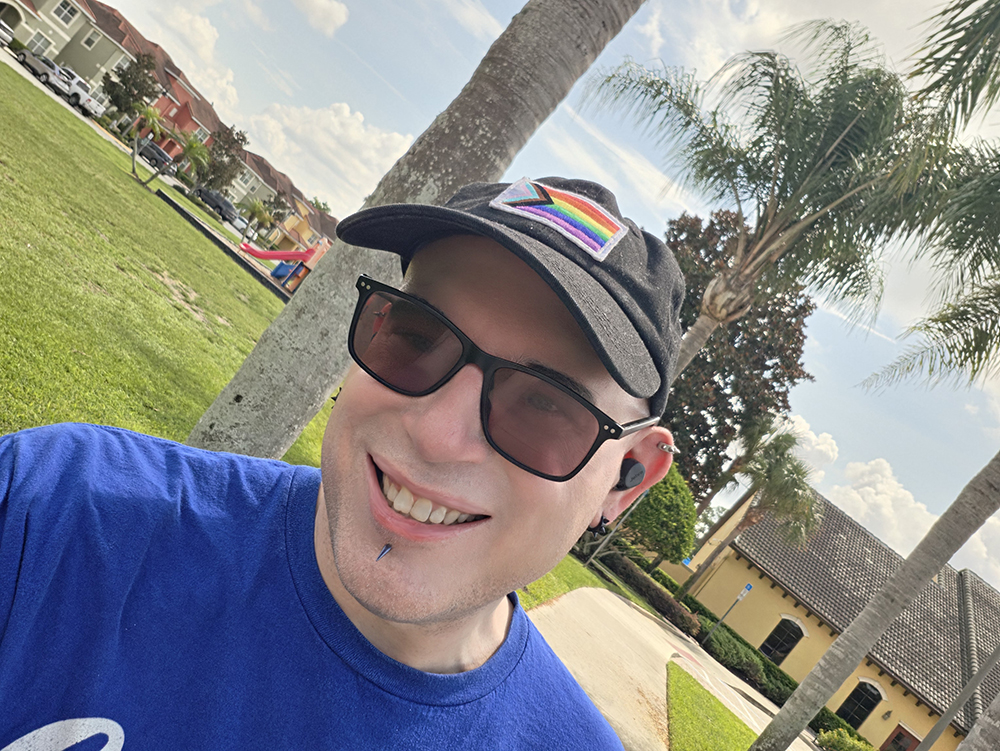
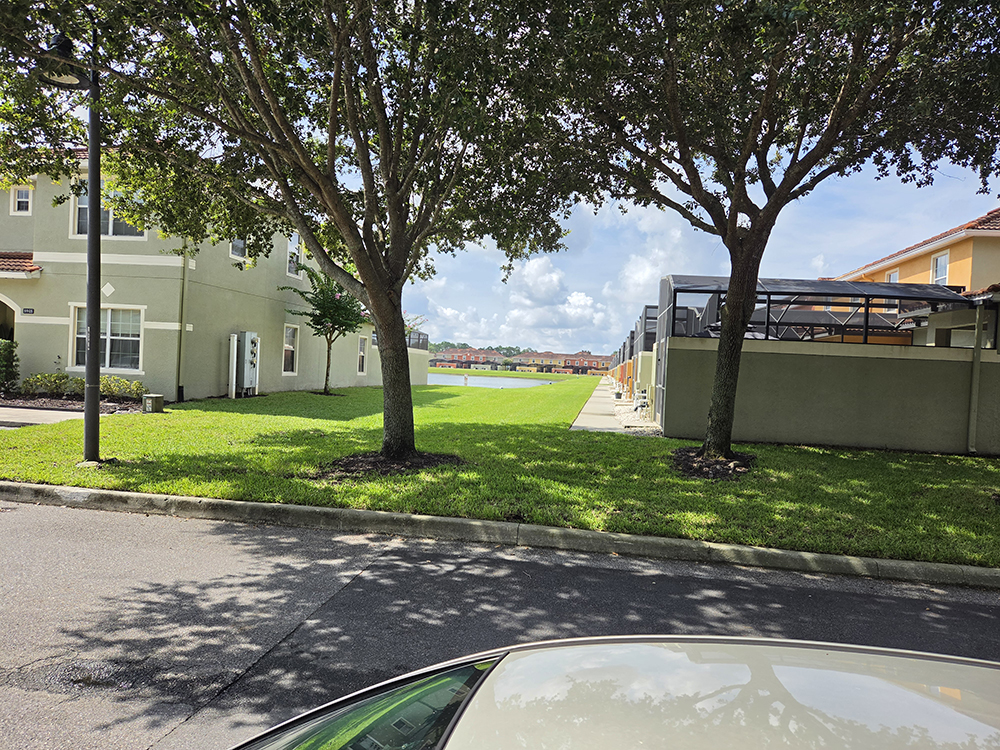

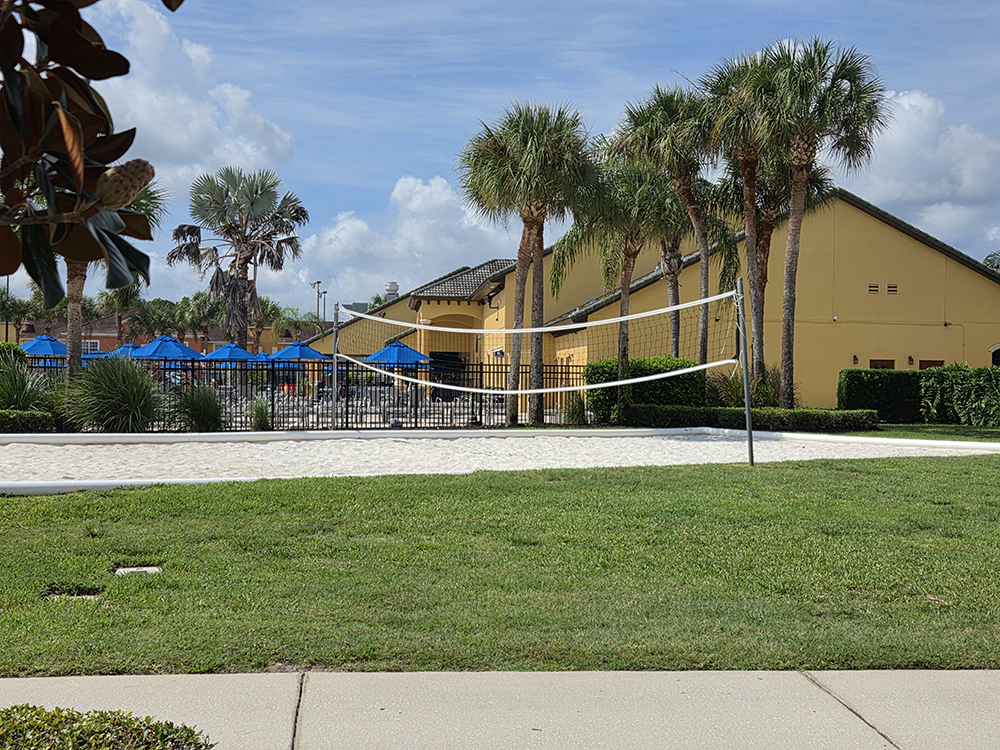
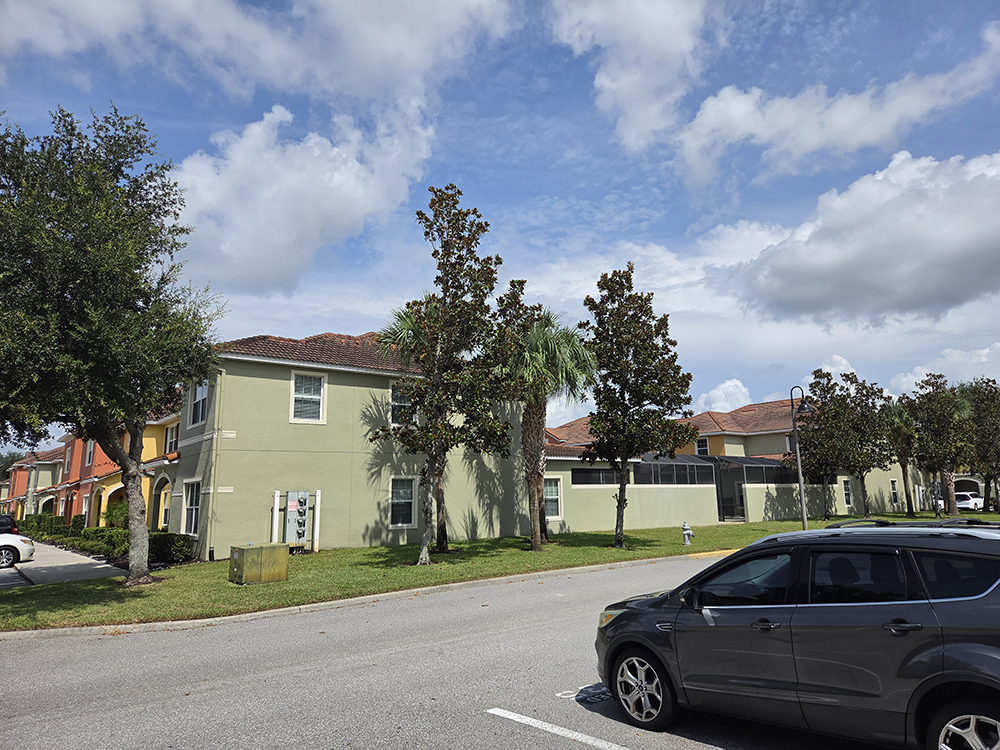
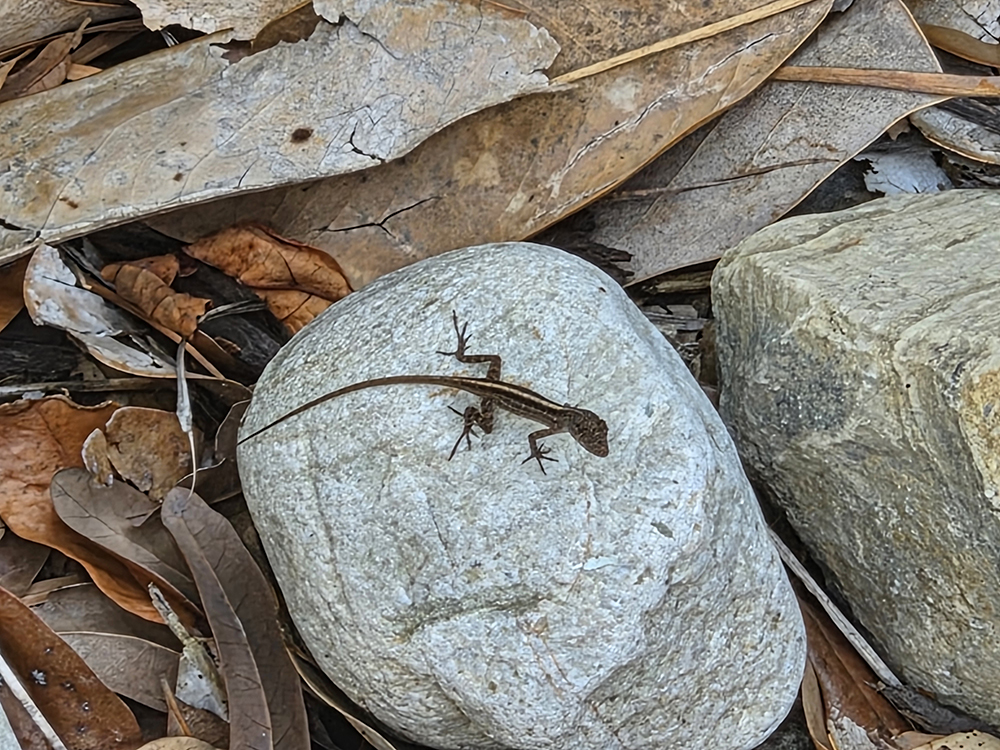
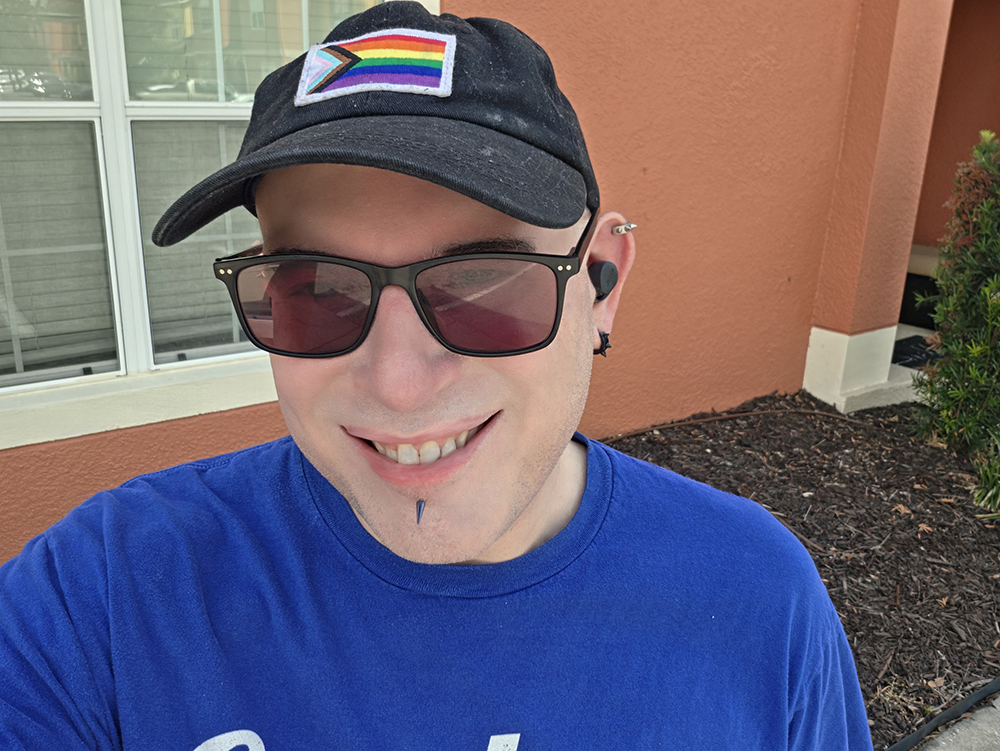
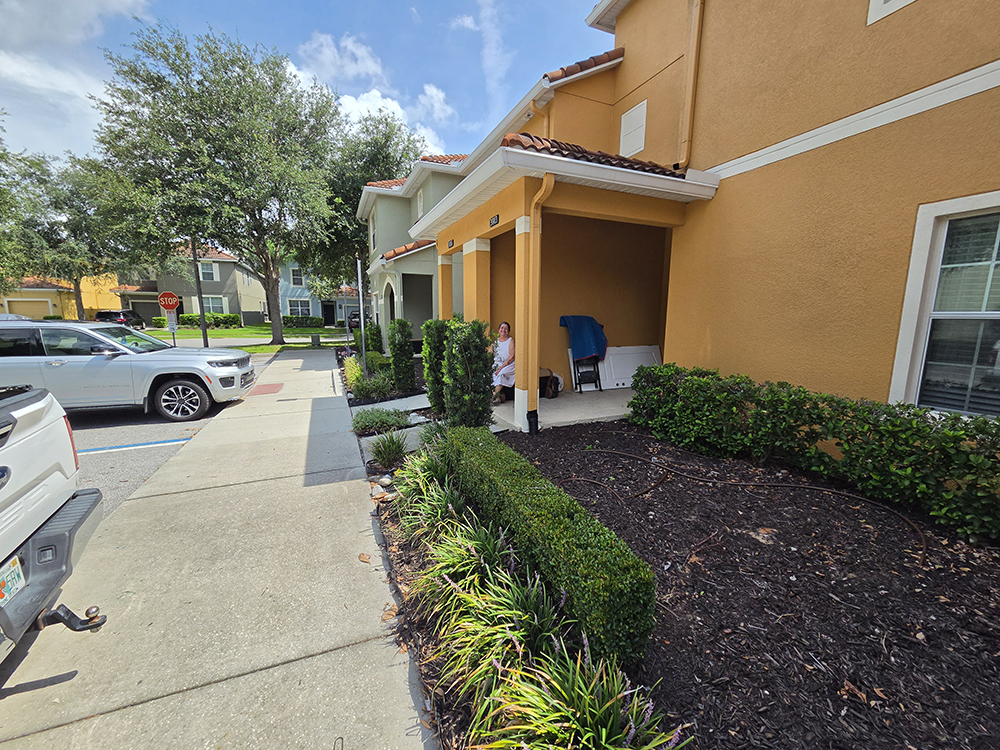
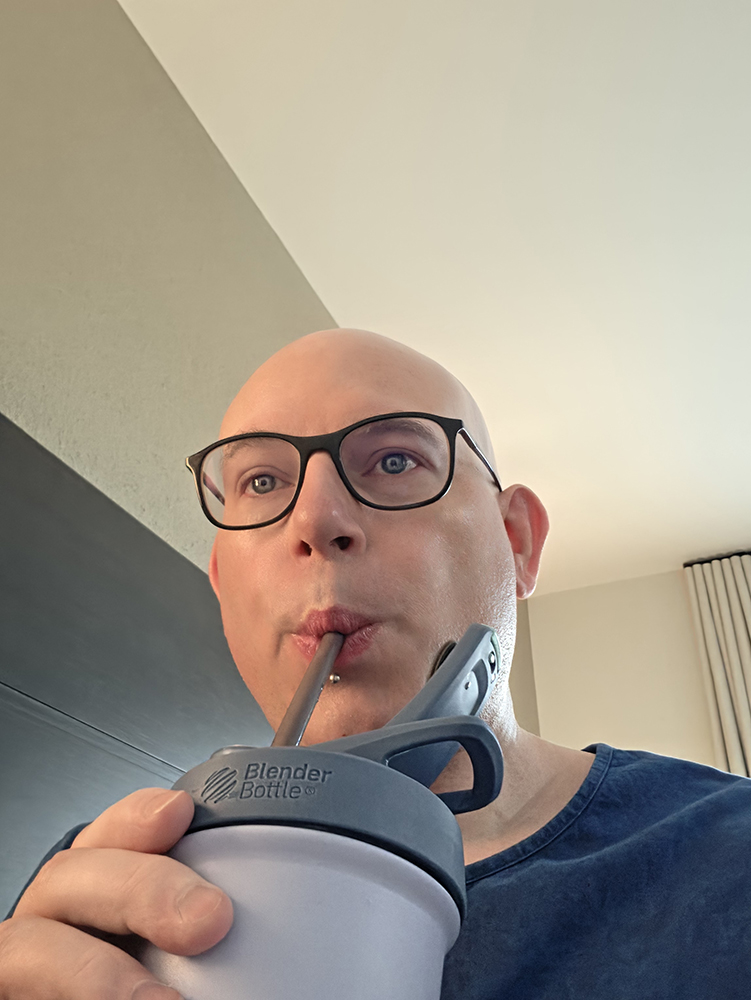
I slept pretty well that night. Well enough that I basically got up at the same time as Aaron (on Saturday, August 1, 2026), rather than staying in bed for several more hours. Aaron, Mary Ellen and Mark had a meeting, with Aaron teaching them how to run the Air B&B, while some of the guys (Bruno and Pablo) replaced the various light switches. I had a smoothie so I needed to let my stomach settle but they were still at it later so lathered on the sunblock and went for a walk.
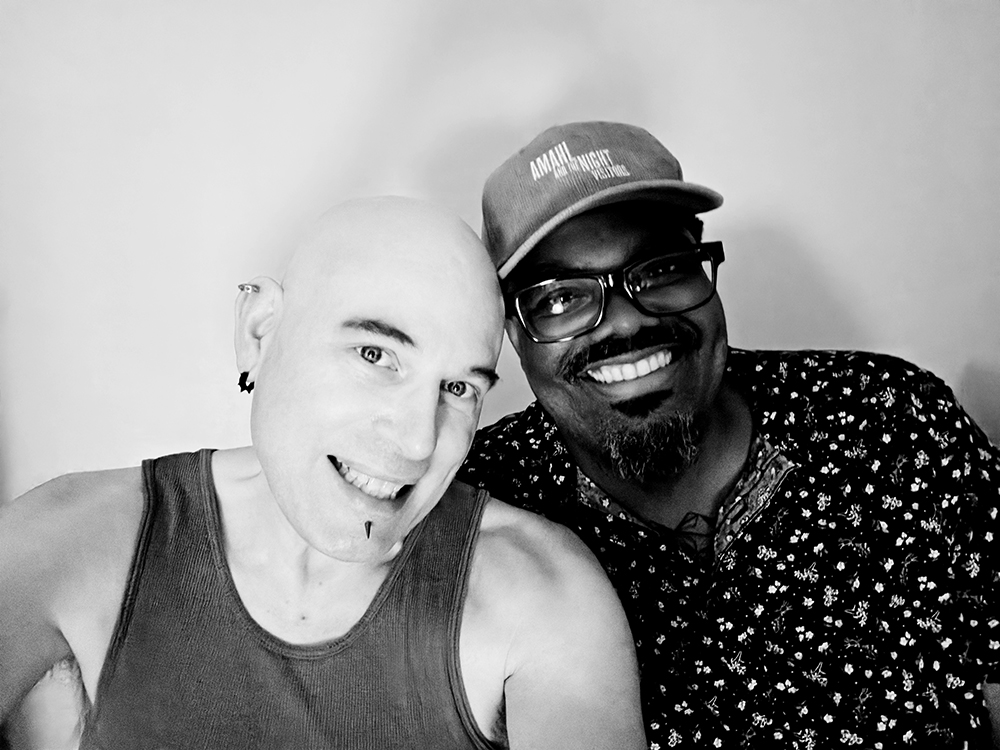
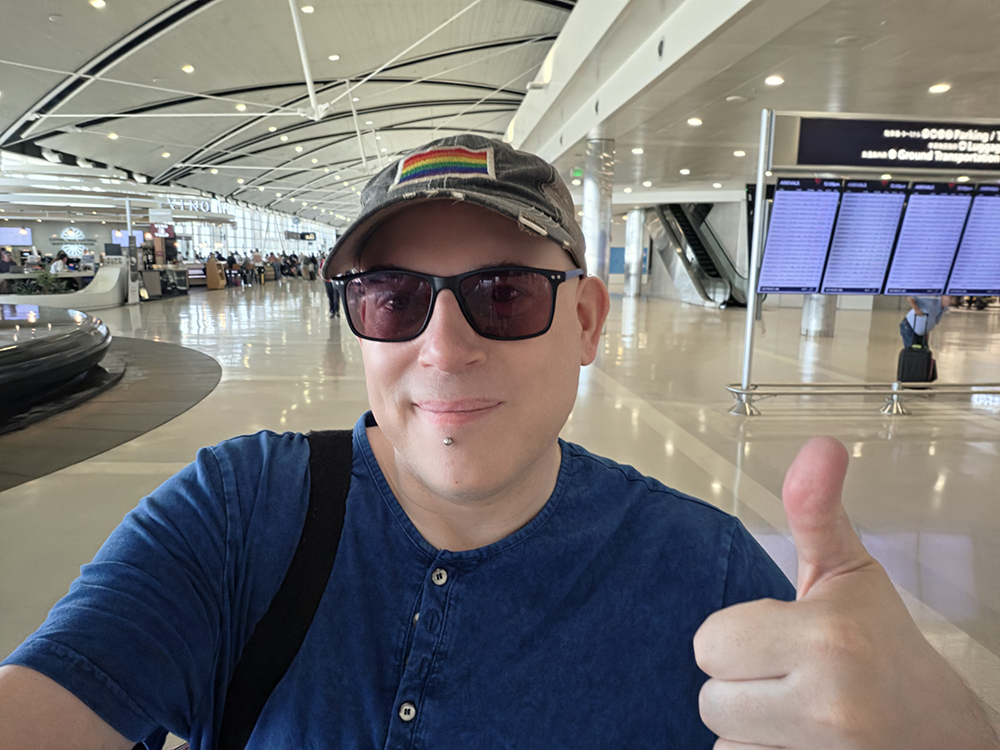
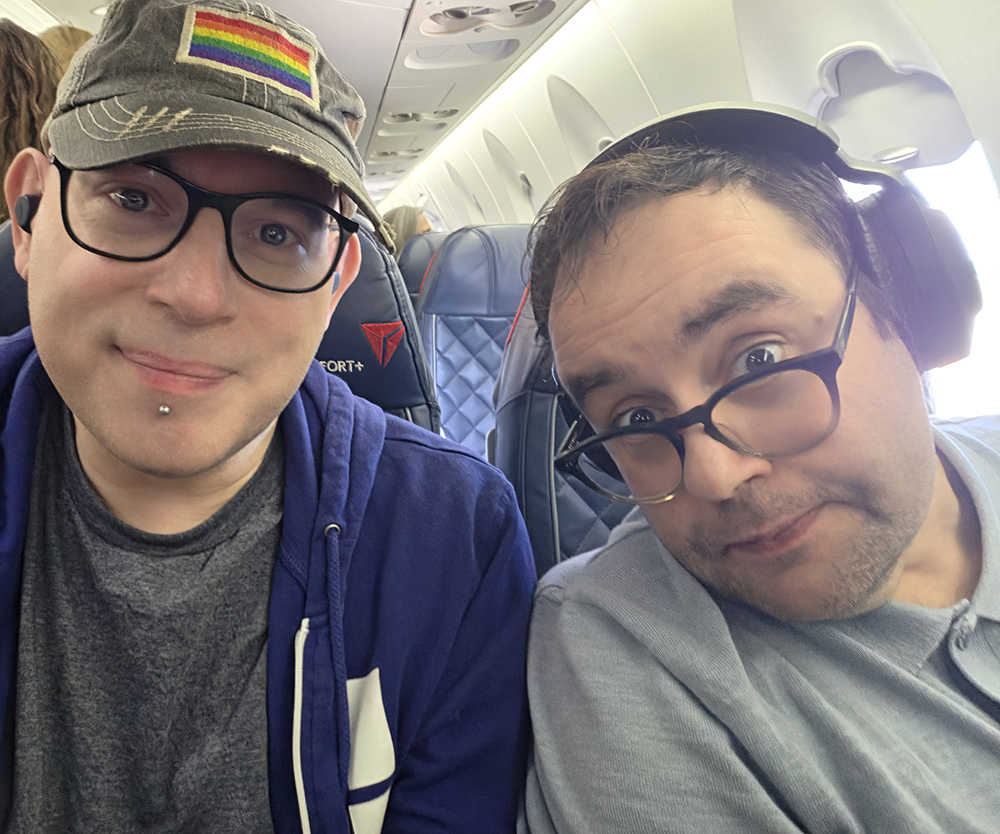
Aaron and I picked up Bernard from the airport; his flight was delayed a bit due to a thunderstorm, but he was with us soon enough to get to Ikea before they closed. But while we waited for him to arrive I got some unhealthy snacks due to desperation and hunger; there really weren’t any healthy options for me. I’m sure it’s fine; what matters is that I’d rather have something else and that junk food doesn’t make up the majority of my diet anymore – far from it. When we got back to the house it was about 9. We played a game of Cards Against Humanity with Mary Ellen and Mark (which Aaron won with 9; Bernard and I tied for 2nd with 8 each) then headed for bed.
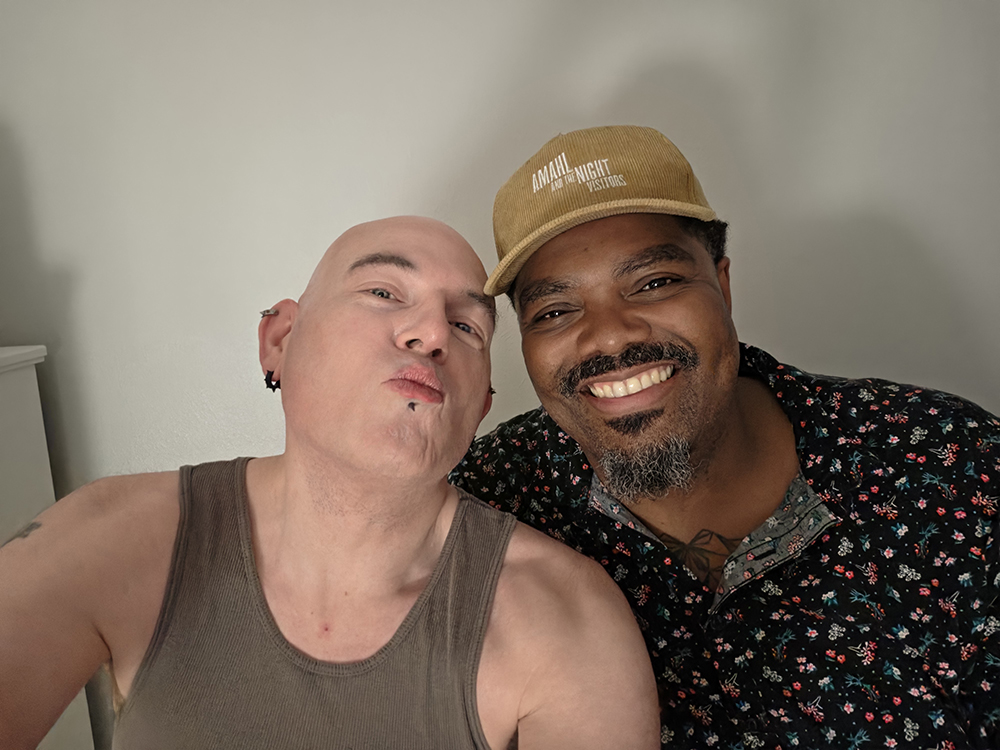
Our bed, which has been very unstable for awhile, collapsed. We already had a new one ordered that we hoped to have delivered before we arrived but has been delayed until Monday. However, Mary Ellen and Mark’s bed collapsed the previous night, so they moved to another room, where that bed also collapsed. I don’t know what the fuck the long term renters did to this place but they really screwed us over. And we will be taking them to court! Despite all of that, I slept okay last night. The bed collapsed in the center so I kept trying to stay out of that space but kept falling back in. lol I got up relatively early (on Sunday, August 2, 2026), took my meds and had a smoothie. I’m just chilling now. I always need to sit for awhile after I eat.
I keep checking in to see how Spider-Man is doing at the box-office and the movie is clearly on track to be very successful, which is great news for the Marvel Cinematic Universe, because even though this is a Sony movie, it’s a chapter in an ongoing story with appearances by various characters, some of whom will appear in at least one of the upcoming Avengers films, with setups for “Avengers: Secret Wars” and the new “X-Men” as well. The next Marvel movie in theaters is “Avengers: Doomsday” in December, which as far as I know doesn’t feature most of these characters (though it definitely features one of them) but I wouldn’t be surprised if these characters pop up in a credit scene or something in that movie to bridge this story to “Avengers: Secret Wars”. We’ll also have more Marvel news in just 12 days time when the Marvel panel at D23 happens.
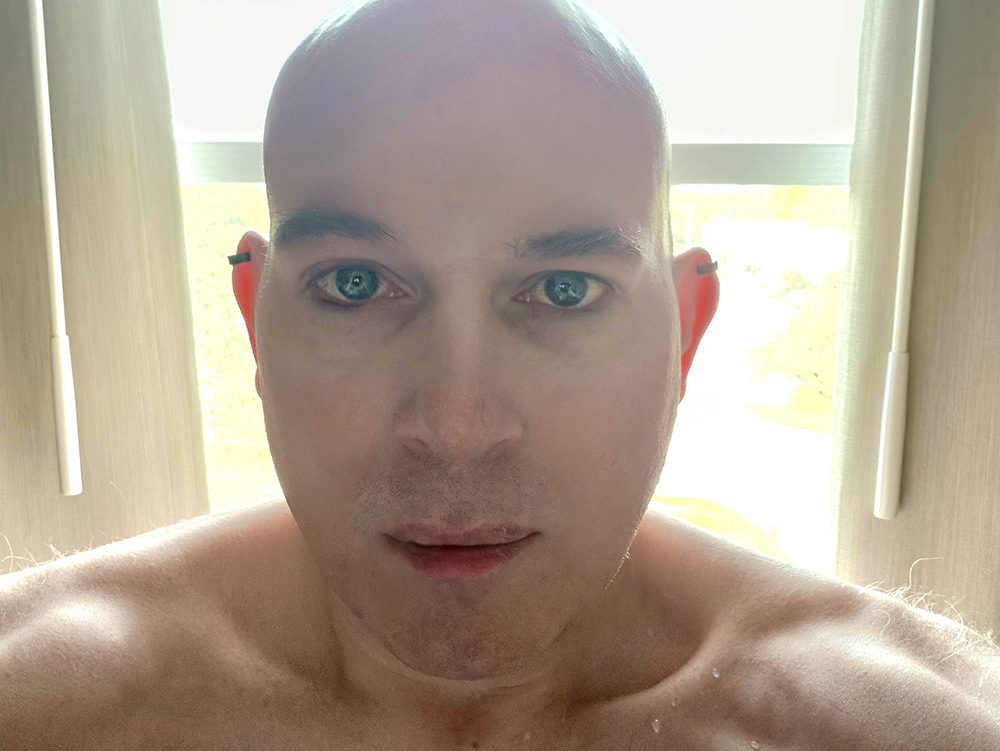
In 10 days I’ll be 52. And my concerns seem to be healthy. Good food and exercise, which honestly has never really been on my bingo card save for a brief period in 2006. It’s taken a lot to get from there to here, but I seem to have arrived. I didn’t know that it would take 20 years then, but I’m so happy that I started that journey when I finally did. I’m happy where I am. And I’m looking forward to where this path will take me next.
Oh! Funny story. The scale we use at home gives a crazy amount of information and one of the things it says about me is my “Muscle Mass”, which I assumed was BS, because while I know that everyone had muscles, I’ve never had muscles. But when I was applying sunblock 2 days ago I grew concerned and asked Aaron to look at something, because I thought my leg was swollen…only it was a muscle. lol I’m so clueless about health and food, but hopefully it’s adorable. We both laughed. lol
And something that just happened: Bernard walked by our door just as Aaron was opening it…with my erection on display. I would have covered up but I thought everyone was downstairs. lol He said he didn’t mind. lol
It sounds like the new couch, which wasn’t going to be here until tomorrow just arrived, which removes some of our collective stress! Today will be busy. We have 2 more nights here and then head out. Mary Ellen and Mark will head back to Michigan. Aaron will fly to Santa Fe. And Bernard and I will fly to NYC, though we don’t live close to one another, as he lives in the Bronx and I live in Manhattan. I’ve lived in NYC for nearly 14 years (having moved there on September 25, 2012) and spend most of my time in Manhattan, which is still confusing at times – and I’ve spent far less time in the other parts of the city. Perhaps in time that will change.
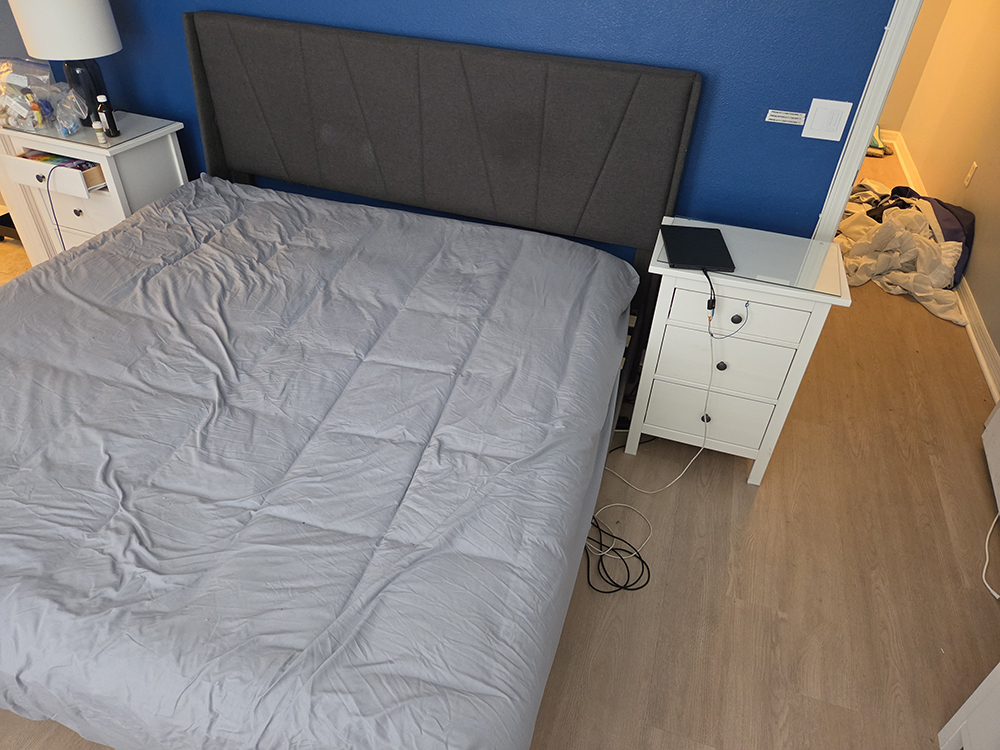
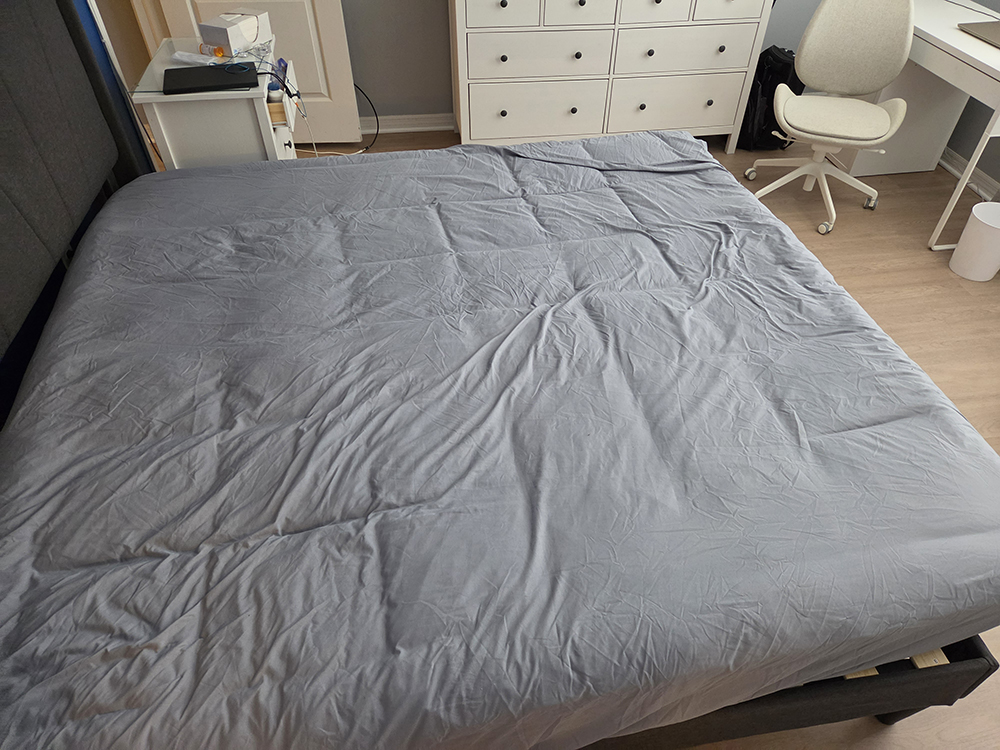
I went out with Aaron to run some errands before we wound down again, returning to our broken bed (which doesn’t look that bad in pictures, but when you’re in it, that’s a very different story – which is not a metaphor for our relationship!).
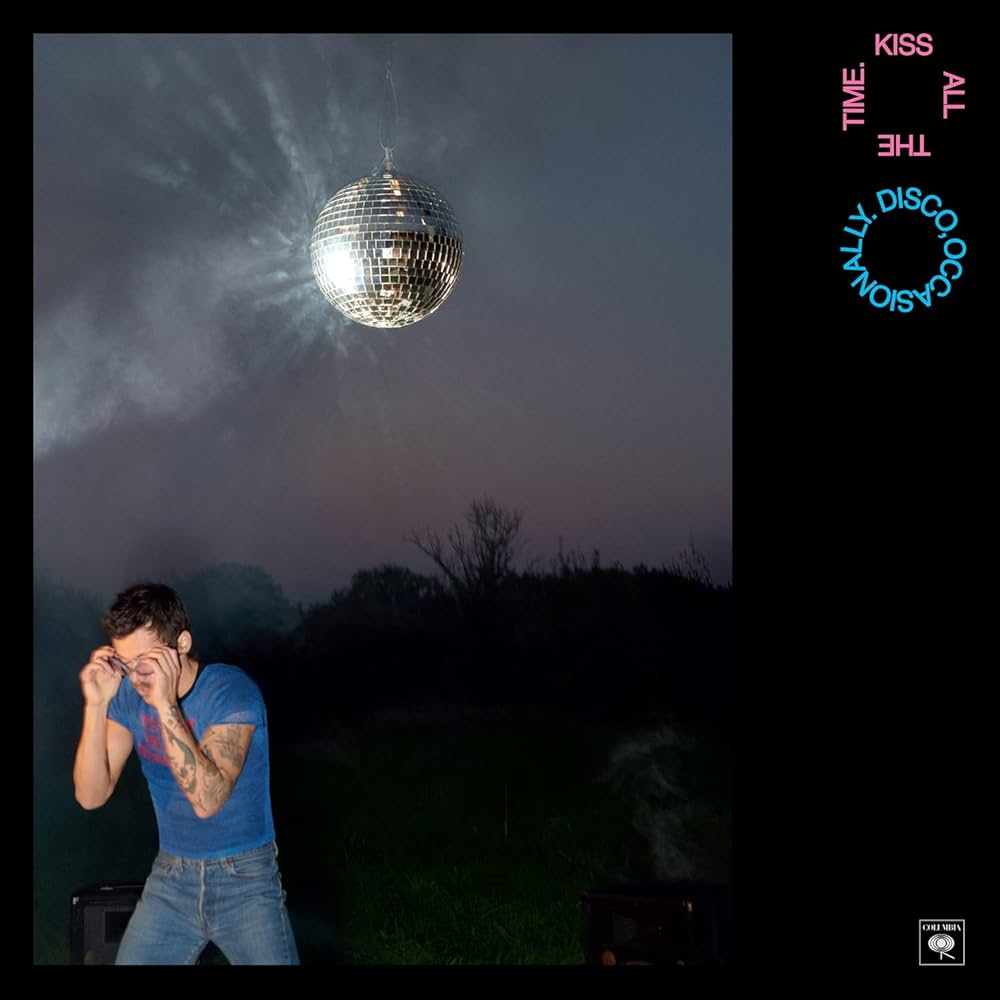
I’ve had this song stuck in my head for days and that’s the only reason that it’s today’s journal title song quote, really. “Dance No More” by Harry Styles, released on March 6, 2026, as the tenth track on his fourth studio album, “Kiss All the Time. Disco, Occasionally.” (2026). Styles wrote the song alongside Thomas “Kid Harpoon” Hull, who was the song’s producer. It has been seen as a fan favorite of the album and has been highlighted in reviews. The song was released as the third single from the album with an accompanying music video on 7 May 2026.